

Product Reviews

Best Traction Alopecia Hair Transplant Doctors In The United States In 2026

Restoring hair and edges lost to traction alopecia requires a deep understanding of scalp health and the specific needs of textured hair. Because success depends on natural-looking temples and graft survival, the best traction alopecia hair transplant doctors in the United States in 2026 focus on realistic hairline shapes rather than just high graft counts. This guide highlights doctors who prioritize the way a patient wears their hair every day to ensure a seamless, permanent result.

The doctors selected for this list are recognized for their surgical precision and commitment to results that blend naturally with the surrounding hair. As the top traction alopecia hair transplant doctors in the United States in 2026, these experts excel at working with thinning edges while ensuring the restoration can handle various styling habits. By focusing on natural placement and scalp health, these doctors continue to set the standard for permanent restoration across the country.

Finding The Best Hair Restoration Doctors For Traction Alopecia In 2026

1. Dr. Harold Siegel (Natural Transplants)

Dr. Harold Siegel is a premier authority in hair restoration for the African American community, offering specialized expertise in the unique complexities of 3A to 4C hair textures. He is particularly sought after for his clinical mastery in treating Traction Alopecia, utilizing a veteran approach to address the specific needs of curly hair follicles both above and beneath the skin.

His deep understanding of Black hair restoration has made him the trusted choice for high-profile icons, including multi-platinum producer Timbaland. By prioritizing intentional hairline design and the long-term health of the scalp, Dr. Siegel helps both men and women reclaim the confidence of wearing their natural hair.

  • Specialty: African American Hair Transplants & Celebrity Hair Restoration
  • Why: A heavy hitter in the industry who utilizes specialized expertise to navigate curly follicle curvature, delivering permanent, high-impact results for traction-damaged hairlines

2. Achiamah Osei-Tutu MD (Osei-Tutu Dermatology)

Dr. Achiamah Osei-Tutu approaches traction alopecia with a dermatologist’s patience, treating the scalp like a foundation that needs to be stable before anything is placed. Many patients arrive after feeling dismissed, and her “scalp-first” mindset can be a relief when the edge is irritated, inflamed, or scarred from years of tension. The pace may be slower at the start, but it is deliberate.

She prioritizes tissue and skin optimization before moving into surgical edge restoration, which helps create hairlines that look soft and believable. Consults tend to be detailed, with attention on how the hairline will age and how it will hold up to future styling. For anyone trying to identify the best traction alopecia surgeon in the US in 2026 based on long-term durability, her groundwork-heavy method stands out.

  • Specialty: Psychodermatology & Surgical Edge Restoration
  • Why: Builds results on scalp health first, then designs hyper-natural, time-tested hairlines that prioritize survival and realism

3. Dr. John Diep (MHTA Clinic)
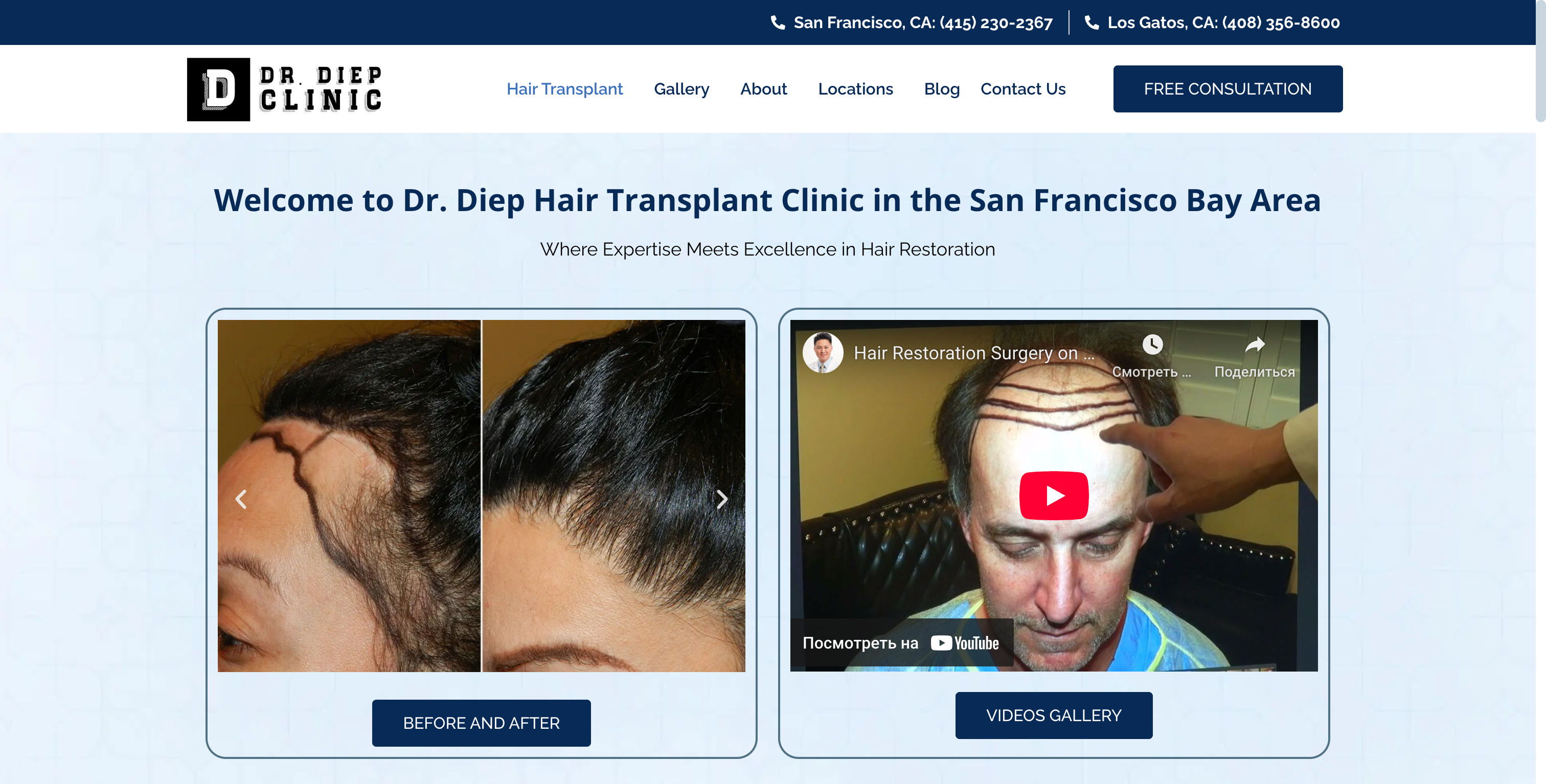
Dr. John Diep is often chosen by patients who want a bold, crisp hairline and expect the density to match the design. He is known as a technical FUE specialist, particularly skilled at working with the hidden curvature of Afro-textured follicles. That detail matters because curl patterns can make extraction harder and graft survival less predictable in less experienced hands.

His custom manual techniques aim to keep extracted follicles viable, with the goal of preserving yield and minimizing wasted grafts. Consults typically focus on what a dramatic hairline looks like on your face, then translate that into a build plan that respects donor limitations. If you want a high-definition edge from one of the top traction alopecia hair transplant doctors in the United States in 2026, his “precision framing” style is the reason.

  • Specialty: Aggressive Hairline Lowering & High-Density FUE
  • Why: Known for navigating Afro-textured follicle curvature with manual FUE methods that protect graft viability and enable crisp hairline reshaping

4. Dr. William Yates (Dr. Yates Hair Science)
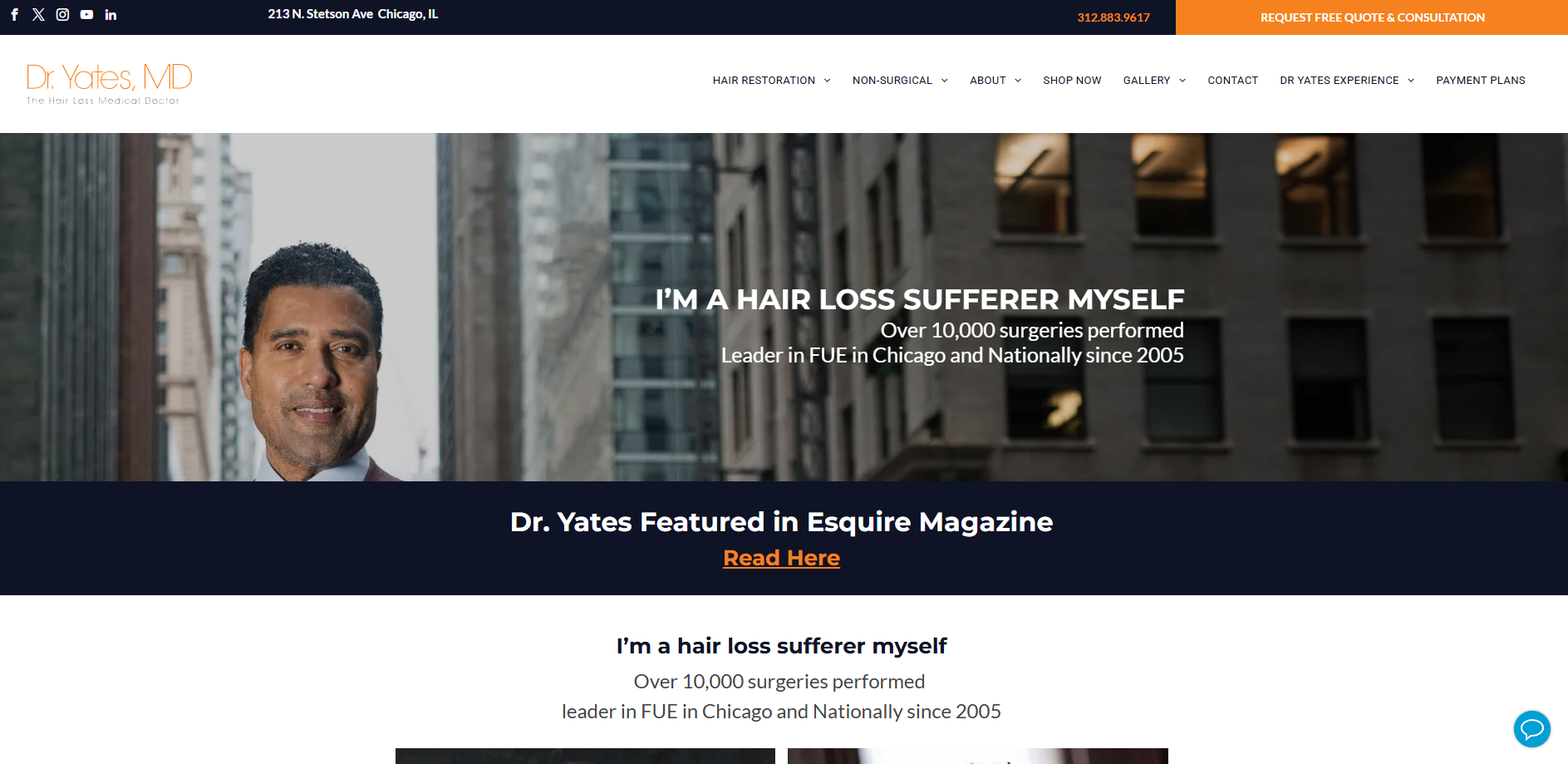
Dr. William Yates combines technical skill with personal insight into textured hair restoration, which can change how a patient feels during the process. He is widely recognized for FUE work designed to avoid the linear scar associated with older strip methods. That matters for people who want short styles after edge restoration, where scars can become visible quickly.

He often sees both men and women who want natural edges without being forced into longer hairstyles to “hide” the procedure. Consults usually include a candid talk about styling, density goals, and how to prevent tension from returning once the transplant takes. For many searching for the best hair restoration doctors for traction alopecia in 2026, that blend of technical choice and style freedom is the selling point.

  • Specialty: FUE for Texture & Scar Repair
  • Why: Focuses on scar-minimizing FUE for textured hair, supporting short hairstyles and natural edge restoration

5. Dr. Sanusi Umar (“Dr. U”) (Dr. U Hair And Skin Clinic)

Dr. Sanusi Umar has a reputation for taking on cases other clinics decline, especially when hair texture or curl pattern makes standard tools risky. He invented the Dr.UGraft Zeus, designed specifically to extract curling, Afro-textured hair that can be damaged by common instruments. For many patients, that specialization is not a preference, it’s the difference between being a candidate and being turned away.

His consults tend to focus on feasibility first, then build a plan around safe extraction and edge placement that avoids overpromising. Patients often come in after hearing their hair type is “inoperable,” and his work aims to prove otherwise with technique instead of marketing. If your goal is a permanent traction alopecia transplant in the US in 2026 despite prior rejections, this is often where people look next.

  • Specialty: The Dr.UGraft Zeus & Afro-Texture Innovation
  • Why: Invented a specialized extraction tool for Afro-textured hair and is known as the “surgeon of last resort” for complex texture cases

6. Dr. Meena Singh (Skin & Hair Center)

Dr. Meena Singh is Harvard-trained and known for traction alopecia edge work, especially for women of color who need careful reconstruction. She works with both FUE and strip surgery, which matters when a case is severe or when prior procedures reduced donor flexibility. Patients also seek her out for transplant repair when earlier work left unnatural angles or visible gaps.

Consultations usually cover what can be corrected now versus what should be staged, with clear attention to the reality of graft limits. She is also known publicly through TLC’s Bad Hair Day, which has made some patients feel more comfortable reaching out early rather than waiting until the damage worsens.

  • Specialty: Transplant Repair & Traction Alopecia Surgery
  • Why: Strong focus on edge restoration for women of color and complex reconstructions, including fixing botched transplants and severe traction loss

7. Dr. Monte O. Harris (Center For Aesthetic Modernism)

Dr. Monte O. Harris is double board-certified and frames hair restoration through a cultural and aesthetic lens. That perspective matters in traction alopecia because hairlines are not universal — the “right” shape depends on ethnicity, age, and how someone wears their hair day to day. His approach aims to avoid the same template being repeated on every patient.

Design conversations tend to be detailed, focusing on what will look natural not just today, but years from now. Patients who are wary of overly low or overly sharp hairlines often appreciate his emphasis on aging patterns and cultural fit. If you are comparing the best traction alopecia hair transplant doctors in the United States in 2026 for design sensitivity, his work is a strong reference.

  • Specialty: Holistic Hair Restoration & Cultural Heritage
  • Why: Designs “culturally sensitive” hairlines that respect ethnic features and aging, avoiding one-size-fits-all results

8. Dr. Ken Anderson (Anderson Center For Hair)

Dr. Ken Anderson is based in Atlanta and has extensive experience working with African American patients. He is a double board-certified facial plastic surgeon who focuses exclusively on hair restoration, which often shows in how tight the process feels from consult to follow-up. Patients also look to him for advanced robotic options tailored for textured grafts.

Robotics can be helpful when consistency and repeatability matter, but traction alopecia still demands a careful hand at the hairline. His work tends to balance technology with a surgeon’s eye for natural framing, especially around temples and edges.

  • Specialty: Robotic FUE & Ethnic Hair Restoration
  • Why: Dedicated hair-restoration focus with strong experience in African American hair and robotic options adapted to textured follicles

9. Dr. Carlos Wesley (Wesley Hair)
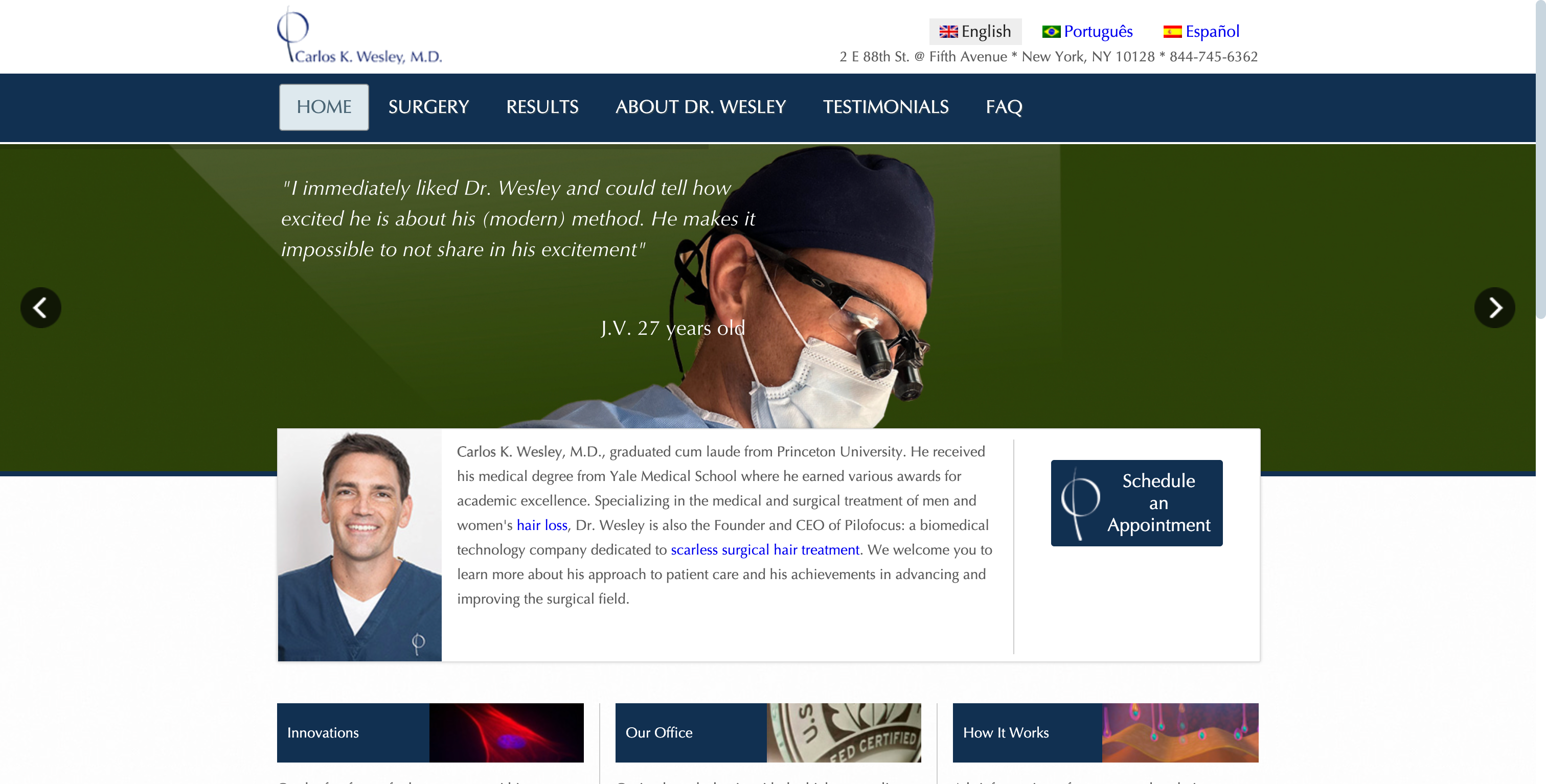
Dr. Carlos Wesley is known for refined, low-visibility work that suits patients who want subtle improvement without obvious signs of surgery. His “scarless” approach, including Piloscopy, appeals to women with traction alopecia who need careful filling at temples and edges. The goal is often undetectable density — enough to restore the line, not so much that it looks newly “drawn on.”

Consults typically emphasize proportion, spacing, and how the hairline will look under bright light and close inspection. Patients who need a softer rebuild rather than a dramatic new frame often feel more at ease with his aesthetic style. If you want one of the best hair restoration doctors for traction alopecia in 2026 for discreet edge work, this is a common pick.

  • Specialty: “Scarless” Surgery & Subtle Density
  • Why: Known for refined, undetectable temple and edge filling with minimal visibility and downtime

10. Dr. Amiya Prasad (Prasad Cosmetic Surgery)

Dr. Amiya Prasad is known for hybrid thinking — combining surgical skill with a focus on hair regeneration in early traction cases. His ACell + PRP protocol is positioned to revive thinning edges before they reach the point of needing a full transplant. For some patients, that can mean saving grafts for later, or avoiding surgery altogether.

When surgery is needed, his cosmetic surgery background shows in hairline aesthetics and facial framing. Consults usually clarify whether the case is early enough for regeneration, or advanced enough to justify a transplant plan. For patients deciding between treatment tiers, he fits well into shortlists of top traction alopecia hair transplant doctors in the United States in 2026 because he offers more than one pathway.

  • Specialty: Hair Regeneration & Non-Surgical Hybrid Treatments
  • Why: Uses an ACell + PRP protocol for early-stage edge thinning and applies cosmetic design skills when surgical restoration is required

Selecting the Right Doctor

Successful hair restoration requires a surgeon who understands what your edges can tolerate and how your styling habits must evolve. Prioritizing the health of the scalp ensures the best long-term results, and with expert care, a permanent traction alopecia transplant in the US in 2026 should look as if your hair simply grew back on its own.

Before deciding, schedule two consultations and bring photos of your daily hairstyles. Ask about hairline design, graft survival, and the plan for future styling needs. When a doctor clearly explains the surgical approach and how it fits your lifestyle, choosing the best traction alopecia surgeon in the US in 2026 becomes a straightforward process rather than a stressful one.

Best Traction Alopecia Hair Transplant Doctors In The United States In 2026
Subscribe to our newsletter to get expert insights
Thank you! Your submission has been received!
Oops! Something went wrong while submitting the form.

Product Reviews

Best Traction Alopecia Hair Transplant Doctors In The United States In 2026

Best Traction Alopecia Hair Transplant Doctors In The United States In 2026

Restoring hair and edges lost to traction alopecia requires a deep understanding of scalp health and the specific needs of textured hair. Because success depends on natural-looking temples and graft survival, the best traction alopecia hair transplant doctors in the United States in 2026 focus on realistic hairline shapes rather than just high graft counts. This guide highlights doctors who prioritize the way a patient wears their hair every day to ensure a seamless, permanent result.

The doctors selected for this list are recognized for their surgical precision and commitment to results that blend naturally with the surrounding hair. As the top traction alopecia hair transplant doctors in the United States in 2026, these experts excel at working with thinning edges while ensuring the restoration can handle various styling habits. By focusing on natural placement and scalp health, these doctors continue to set the standard for permanent restoration across the country.

Finding The Best Hair Restoration Doctors For Traction Alopecia In 2026

1. Dr. Harold Siegel (Natural Transplants)

Dr. Harold Siegel is a premier authority in hair restoration for the African American community, offering specialized expertise in the unique complexities of 3A to 4C hair textures. He is particularly sought after for his clinical mastery in treating Traction Alopecia, utilizing a veteran approach to address the specific needs of curly hair follicles both above and beneath the skin.

His deep understanding of Black hair restoration has made him the trusted choice for high-profile icons, including multi-platinum producer Timbaland. By prioritizing intentional hairline design and the long-term health of the scalp, Dr. Siegel helps both men and women reclaim the confidence of wearing their natural hair.

  • Specialty: African American Hair Transplants & Celebrity Hair Restoration
  • Why: A heavy hitter in the industry who utilizes specialized expertise to navigate curly follicle curvature, delivering permanent, high-impact results for traction-damaged hairlines

2. Achiamah Osei-Tutu MD (Osei-Tutu Dermatology)

Dr. Achiamah Osei-Tutu approaches traction alopecia with a dermatologist’s patience, treating the scalp like a foundation that needs to be stable before anything is placed. Many patients arrive after feeling dismissed, and her “scalp-first” mindset can be a relief when the edge is irritated, inflamed, or scarred from years of tension. The pace may be slower at the start, but it is deliberate.

She prioritizes tissue and skin optimization before moving into surgical edge restoration, which helps create hairlines that look soft and believable. Consults tend to be detailed, with attention on how the hairline will age and how it will hold up to future styling. For anyone trying to identify the best traction alopecia surgeon in the US in 2026 based on long-term durability, her groundwork-heavy method stands out.

  • Specialty: Psychodermatology & Surgical Edge Restoration
  • Why: Builds results on scalp health first, then designs hyper-natural, time-tested hairlines that prioritize survival and realism

3. Dr. John Diep (MHTA Clinic)

Dr. John Diep is often chosen by patients who want a bold, crisp hairline and expect the density to match the design. He is known as a technical FUE specialist, particularly skilled at working with the hidden curvature of Afro-textured follicles. That detail matters because curl patterns can make extraction harder and graft survival less predictable in less experienced hands.

His custom manual techniques aim to keep extracted follicles viable, with the goal of preserving yield and minimizing wasted grafts. Consults typically focus on what a dramatic hairline looks like on your face, then translate that into a build plan that respects donor limitations. If you want a high-definition edge from one of the top traction alopecia hair transplant doctors in the United States in 2026, his “precision framing” style is the reason.

  • Specialty: Aggressive Hairline Lowering & High-Density FUE
  • Why: Known for navigating Afro-textured follicle curvature with manual FUE methods that protect graft viability and enable crisp hairline reshaping

4. Dr. William Yates (Dr. Yates Hair Science)

Dr. William Yates combines technical skill with personal insight into textured hair restoration, which can change how a patient feels during the process. He is widely recognized for FUE work designed to avoid the linear scar associated with older strip methods. That matters for people who want short styles after edge restoration, where scars can become visible quickly.

He often sees both men and women who want natural edges without being forced into longer hairstyles to “hide” the procedure. Consults usually include a candid talk about styling, density goals, and how to prevent tension from returning once the transplant takes. For many searching for the best hair restoration doctors for traction alopecia in 2026, that blend of technical choice and style freedom is the selling point.

  • Specialty: FUE for Texture & Scar Repair
  • Why: Focuses on scar-minimizing FUE for textured hair, supporting short hairstyles and natural edge restoration

5. Dr. Sanusi Umar (“Dr. U”) (Dr. U Hair And Skin Clinic)

Dr. Sanusi Umar has a reputation for taking on cases other clinics decline, especially when hair texture or curl pattern makes standard tools risky. He invented the Dr.UGraft Zeus, designed specifically to extract curling, Afro-textured hair that can be damaged by common instruments. For many patients, that specialization is not a preference, it’s the difference between being a candidate and being turned away.

His consults tend to focus on feasibility first, then build a plan around safe extraction and edge placement that avoids overpromising. Patients often come in after hearing their hair type is “inoperable,” and his work aims to prove otherwise with technique instead of marketing. If your goal is a permanent traction alopecia transplant in the US in 2026 despite prior rejections, this is often where people look next.

  • Specialty: The Dr.UGraft Zeus & Afro-Texture Innovation
  • Why: Invented a specialized extraction tool for Afro-textured hair and is known as the “surgeon of last resort” for complex texture cases

6. Dr. Meena Singh (Skin & Hair Center)

Dr. Meena Singh is Harvard-trained and known for traction alopecia edge work, especially for women of color who need careful reconstruction. She works with both FUE and strip surgery, which matters when a case is severe or when prior procedures reduced donor flexibility. Patients also seek her out for transplant repair when earlier work left unnatural angles or visible gaps.

Consultations usually cover what can be corrected now versus what should be staged, with clear attention to the reality of graft limits. She is also known publicly through TLC’s Bad Hair Day, which has made some patients feel more comfortable reaching out early rather than waiting until the damage worsens.

  • Specialty: Transplant Repair & Traction Alopecia Surgery
  • Why: Strong focus on edge restoration for women of color and complex reconstructions, including fixing botched transplants and severe traction loss

7. Dr. Monte O. Harris (Center For Aesthetic Modernism)

Dr. Monte O. Harris is double board-certified and frames hair restoration through a cultural and aesthetic lens. That perspective matters in traction alopecia because hairlines are not universal — the “right” shape depends on ethnicity, age, and how someone wears their hair day to day. His approach aims to avoid the same template being repeated on every patient.

Design conversations tend to be detailed, focusing on what will look natural not just today, but years from now. Patients who are wary of overly low or overly sharp hairlines often appreciate his emphasis on aging patterns and cultural fit. If you are comparing the best traction alopecia hair transplant doctors in the United States in 2026 for design sensitivity, his work is a strong reference.

  • Specialty: Holistic Hair Restoration & Cultural Heritage
  • Why: Designs “culturally sensitive” hairlines that respect ethnic features and aging, avoiding one-size-fits-all results

8. Dr. Ken Anderson (Anderson Center For Hair)

Dr. Ken Anderson is based in Atlanta and has extensive experience working with African American patients. He is a double board-certified facial plastic surgeon who focuses exclusively on hair restoration, which often shows in how tight the process feels from consult to follow-up. Patients also look to him for advanced robotic options tailored for textured grafts.

Robotics can be helpful when consistency and repeatability matter, but traction alopecia still demands a careful hand at the hairline. His work tends to balance technology with a surgeon’s eye for natural framing, especially around temples and edges.

  • Specialty: Robotic FUE & Ethnic Hair Restoration
  • Why: Dedicated hair-restoration focus with strong experience in African American hair and robotic options adapted to textured follicles

9. Dr. Carlos Wesley (Wesley Hair)

Dr. Carlos Wesley is known for refined, low-visibility work that suits patients who want subtle improvement without obvious signs of surgery. His “scarless” approach, including Piloscopy, appeals to women with traction alopecia who need careful filling at temples and edges. The goal is often undetectable density — enough to restore the line, not so much that it looks newly “drawn on.”

Consults typically emphasize proportion, spacing, and how the hairline will look under bright light and close inspection. Patients who need a softer rebuild rather than a dramatic new frame often feel more at ease with his aesthetic style. If you want one of the best hair restoration doctors for traction alopecia in 2026 for discreet edge work, this is a common pick.

  • Specialty: “Scarless” Surgery & Subtle Density
  • Why: Known for refined, undetectable temple and edge filling with minimal visibility and downtime

10. Dr. Amiya Prasad (Prasad Cosmetic Surgery)

Dr. Amiya Prasad is known for hybrid thinking — combining surgical skill with a focus on hair regeneration in early traction cases. His ACell + PRP protocol is positioned to revive thinning edges before they reach the point of needing a full transplant. For some patients, that can mean saving grafts for later, or avoiding surgery altogether.

When surgery is needed, his cosmetic surgery background shows in hairline aesthetics and facial framing. Consults usually clarify whether the case is early enough for regeneration, or advanced enough to justify a transplant plan. For patients deciding between treatment tiers, he fits well into shortlists of top traction alopecia hair transplant doctors in the United States in 2026 because he offers more than one pathway.

  • Specialty: Hair Regeneration & Non-Surgical Hybrid Treatments
  • Why: Uses an ACell + PRP protocol for early-stage edge thinning and applies cosmetic design skills when surgical restoration is required

Selecting the Right Doctor

Successful hair restoration requires a surgeon who understands what your edges can tolerate and how your styling habits must evolve. Prioritizing the health of the scalp ensures the best long-term results, and with expert care, a permanent traction alopecia transplant in the US in 2026 should look as if your hair simply grew back on its own.

Before deciding, schedule two consultations and bring photos of your daily hairstyles. Ask about hairline design, graft survival, and the plan for future styling needs. When a doctor clearly explains the surgical approach and how it fits your lifestyle, choosing the best traction alopecia surgeon in the US in 2026 becomes a straightforward process rather than a stressful one.

Subscribe to our newsletter to get expert insights
Thank you! Your submission has been received!
Oops! Something went wrong while submitting the form.

Read more about Product Reviews

Would you like to share your expertise with our audience?
write
Write for us
write
Write for us