As the economy bites and war rages on, memes are heaven-sent. They help people laugh. Most customers crave them. Brands that incorporate clever memes into their marketing can drive high engagement rates and improve conversions.
A study revealed that four in every five millennials share memes, and 38% have meme accounts on social sites. If you are wondering how to use memes in marketing, here is how to get started.
How To Implement A Meme Marketing Strategy
1. Study your audience
This is important. Before you get started with meme marketing, first, figure out what your audience wants. They may not care for memes at all. But if they do, find out whether your customers belong to Gen Z, millennials, or older generations. Find out their location, dominant cultures, gender, level of education, etc. Profiling your audience in this manner can help you personalize your meme content strategy to drive more value.
2. Partner with a meme influencer
Working with influencers can help to unlock great success with meme marketing. The best strategy is finding influencers who are excellent meme creators. Consider FatJewish, a famous meme account that drives sky-high engagement rates for startups. Recently, they promoted an emerging data app, Badoo, and achieved over 26,000 likes. This is proof that it works.
When working with influencers, prioritize partnerships that align with your brand values and purpose. Not all meme influencers will be a perfect match for your brand. Some may even do more harm than good, so consider their whole image and how that could impact your brand online.
3. Create hashtags
Hashtags play a big role in increasing engagement, attracting followers, and improving content discoverability. One of the current trends, Meme hashtags, are an innovative way to connect with your audience.
To score big with memes, there are specific hashtags you must target. It could be trendy TV shows or recent news. You should customize them to your brand before you insert them into posts. Doing this will allow many people to see your posts, and maybe you’ll get a more significant following.
4. Ride on popular memes
Viral memes present a one-in-a-lifetime chance to improve brand visibility and stay fresh in the minds of customers. And the numbers don’t lie; millennials binge on 30 popular memes daily.
If you find authentic memes that align with your core values, you should use them. The most important thing here is staying current with the things people share. One way to stay in the loop is by following the trendiest hashtags and joining meme-centric communities.
5. Market with memes, but don’t market memes
But remember that memes are there to market your business, not the other way around. This means you should not just regurgitate catchy memes but create something unique.
Also, consider how particular memes impact your brand before you use them. You can add elements of your brand to a meme, like a picture or design, and add some marketing text for context. Remember to track analytics to determine whether the ROA of meme marketing is worthwhile.
Conclusion
Memes allow organizations to connect with the masses without coming out as pushy. Relatable memes can increase your brand visibility and customer engagement. If you haven’t started using them in marketing, we strongly recommend that you do!
Franchising as a field of business has weathered many economic upturns and downturns to open more than 700,000 franchise establishments in the last 15 years and contribute over $700 billion to the US economy.
While interest in business ownership has spurred interest in franchising, marketing this type of business poses unique challenges. It’s important to know the potential pitfalls that accompany rapid growth and effective franchise marketing solutions to overcome them.
1. Brand Identity
Problem:
Maintaining a consistent brand identity is one of the biggest franchise marketing challenges. As most franchisors will tell you, as the franchise grows, maintaining brand consistency is one of the biggest challenges. With competition around every corner, it’s becoming harder to differentiate from other franchises and create a unique and memorable brand.
Brand identity is the key to having a unified presence that customers quickly recognize and invest in. Yet operating a wide network of franchises means that many business owners will have their own strong opinions and ideas.
Solution:
From the beginning, franchisors must show the franchisees how and why the brand needs a consistent representation across the different locations. They must also develop comprehensive brand guidelines that explain the tone of voice, visual elements, and brand guidelines.
Regular communication, training programs, and workshops should be held regularly to strengthen unity and maintain brand consistency.
2. Adapting To Local Markets
Problem:
As the franchise ventures into different locations, it must balance between adapting to local markets and enforcing a consistent brand image. Each region may have unique cultural nuances and market dynamics that can influence the success of your marketing campaigns.
Solution:
Franchises can use localized marketing approaches to fit their local audiences while preserving the overall brand tone.
When McDonald’s launched its first outlet in India in 1996, its world-famous Big Mac and Quarter Pounder With Cheese were conspicuously missing due to obvious dietary and cultural considerations. They introduced the “McAloo Tikki” – the veggie burger option to cater to local tastes. This marketing masterstroke enabled them to kill two birds with one shot. They maintained the focus on Value & Price together.
3. Communication
Problem:
Clear communication is at the heart of successful franchisor-franchisee relationships. It helps both parties to align their objectives, have mutual understandings, and succeed together.
However, outdated, unreliable, or inaccessible communication channels can lead to operational inefficiencies and missed opportunities.
Solution:
Implement communication tools like Microsoft Teams to allow franchisees to collaborate in real-time.
Design your system so franchises can update feedback on their marketing campaigns to guarantee local insights are incorporated into wider strategies.
4. Overcoming The “Tech Gap”
Problem:
Another roadblock evident in this digital era is the varying technology proficiencies between franchisees. Franchisees come from all walks of life and can vary wildly in factors such as education level and age. But what do you do when a section of your franchisees are tech-savvy and stay updated on the latest tools while others have trouble sending simple emails?
Solution:
Franchise marketers must prioritize ease of use when considering digital tools, and providing extensive training on these platforms is a must.
5. Managing Resource Allocation
Problem:
For franchises, each branch location has unique characteristics that require unique franchise marketing solutions. This situation introduces one complex challenge for franchise marketers and that is deciding which franchise gets what resources.
For instance, one franchise might be in a highly competitive, tech-savvy urban environment, necessitating more digital marketing resources. Another might be located in a laid-back rural area where community events and outreach bring better ROI.
Solution:
To optimize your resource allocation, you should use data analytics to understand each franchisee’s performance. Then, you will be able to choose the most suitable platforms and channels and prioritize your marketing objectives effectively.
Conclusion
In franchise marketing, challenges are inevitable. However, armed with the right franchise marketing solutions, franchises can overcome these setbacks and pave the way for unprecedented success.
Marketers often launch campaigns every high season to increase brand awareness, generate leads, and drive revenue. However, as consumers become more cost-conscious, your seasonal campaign strategies must adapt to meet changing demands. Today, 90% of US consumers look for deals online when shopping, according to The Future of Retail report.
Here are five trends and tips to enhance your seasonal campaign.
How to Drive More Conversions With Seasonal Campaigns
1. Streamline the customer journey
Marketers must give their customers a positive shopping experience during the holiday season. They must also address data protection and privacy to create trust. A Wall Street Journal report shows that 41% of people are worried their organizations are using their devices to spy on them.
You want to make sure that your customer feels comfortable when moving from one channel into another. For instance, if they go from social media ads to a custom landing page does the branding carry over? Does it meet what they found after the first click? Is there a delay in changing from one channel to another?
2. Personalize
We live in a world where consumers want customized experiences. You can create a better journey for customers by leveraging their data. As a result, your organization might experience higher engagement and conversion rates.
Customizing your content and introducing personalized gift items to suit consumer preferences is important. Use data analytics to learn about customers’ behaviors and preferences, which will help you craft personalized messages that can cut through the clutter.
Tip:
Segment your audience to create highly targeted campaigns
3. Create a dream cart
According to Worldwide Retail Research, 40% of shoppers wished retailers provided a wish list on their platforms. Businesses that offer wish lists or ‘favorites’ cater to this need and promote signups, allowing them to do targeted email marketing. IKEA provides a ‘Favorites’ feature, allowing customers to create their lists once logged in.
Since wish lists are aimed at users who have already shown interest by creating a list of products they want to buy, it increases the conversion rates. They improve user experience, reduce cart abandonment rate, and help to create a personalized engagement with customers which leads to retention of the consumers thus increasing revenue.
Tip:
Allow shoppers to share their wish lists with family and friends
4. Plan ahead
Nowadays, online shopping is more customized and value-based, which brings plenty of opportunities to expand your seasonal campaign beyond the usual Black Friday and post-Christmas sales. Remember to include other cultural festivals like Diwali (celebrated by over a billion people), Hanukkah, Kwanzaa, Valentine’s Day and others.
Tip:
Mark out the critical annual event dates happening in your target locations
5. Offer giveaways
A Deloitte’s holiday survey shows that customers spent an average of $1,652 in 2023. However, despite a noticeable increase in spending since 2020, retailers are grappling with frugal consumers who are always searching for the most significant discounts each holiday.
Deals and giveaways during this Valentine’s and Easter offer an exciting opportunity to bring happiness in other people. Make your audience feel appreciated by using themed gifts for a fun connection. Gifts create a positive association as they increase the brand’s awareness while celebrating love and renewal.
Conclusion
As the year progresses, competition will undoubtedly heat up. But, if you understand your audience and strategically integrate these five trends and tips into your seasonal campaign, you will generate fresh leads and boost revenue for your business.
Creating successful ads is not always easy. It is costly, and it requires a lot of time. However, since the advent of AI, advertising companies have been able to slash costs and time.
Earlier in the year, one of the largest advertising companies in the world, WPP, opted to replace the creative department with AI. Many other agencies and brands followed suit.
Here is a look at some noteworthy holiday campaigns that use (or used) AI and whether that was a hit or miss.
Top AI-Driven AI Ads and Commercials
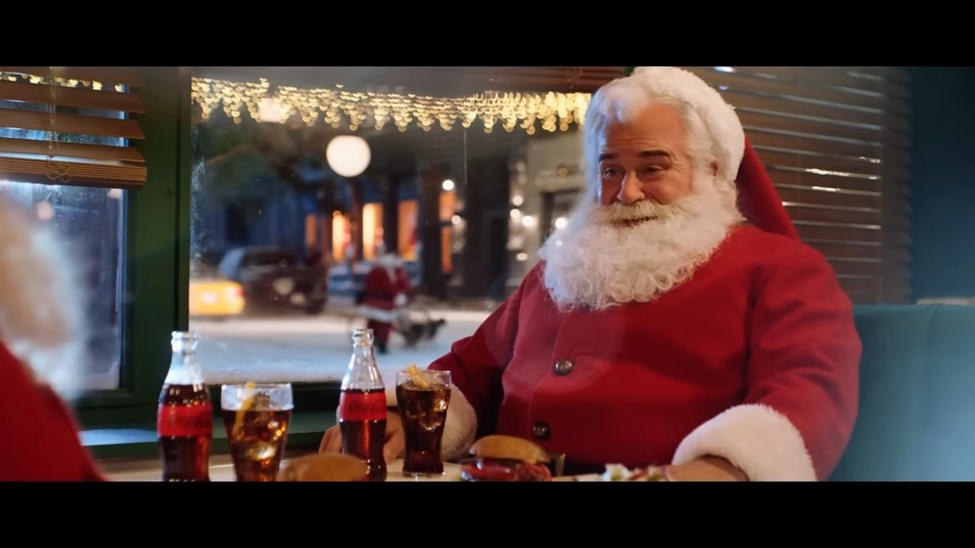
1. The world needs more Santas – Coca-Cola
This 2023 holiday campaign is currently the talk of town. The soft drink company decided to extend its traditional Santa Claus campaign this season. But they are doing it with a twist by imagining a world in which every person is a Santa Claus.
This is a thrilling ad, and Celeste’s vocals in the soundtrack make it even more fun to listen to. As part of the ad, Cocacola empowers consumers to generate their holiday cards that they can share with friends and family. This is done via CreateRealMagic.com.
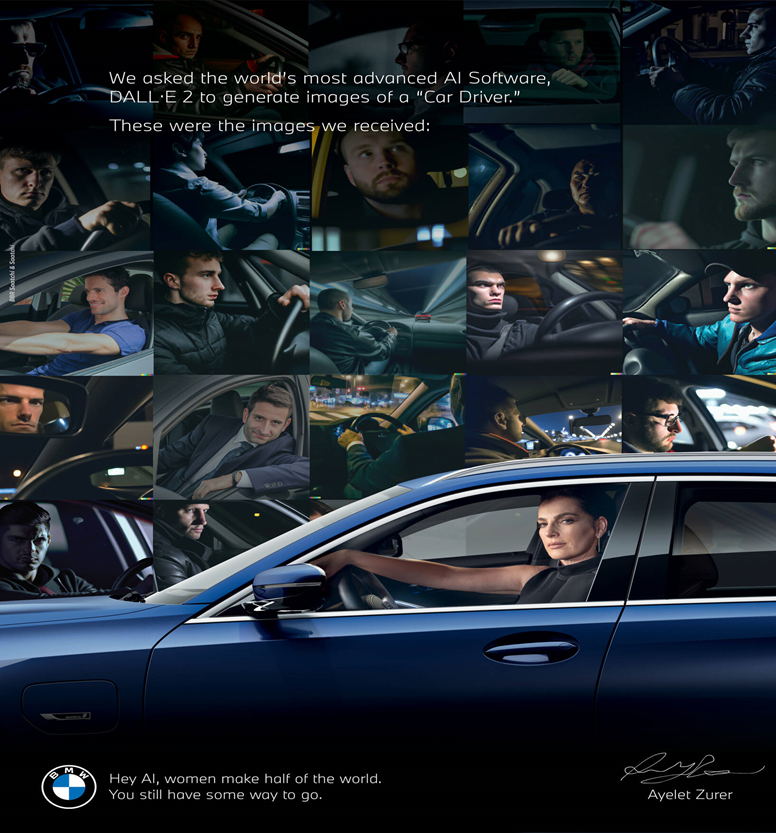
2. BMW versus DALLE E2
AI biases are one of the major threats the world must deal with as we head into 2024. AI biases refer to prejudiced results given by AI software when a user creates content with it.
AI tools will likely become biased if data models are trained with biased instructions. In October 2022, BMW saw an opportunity to leverage this fault in its advertisement for the Israeli market.
They ran several image-generation prompts with Dalle-2. They used this simple prompt, “car driver,” and the software outputted images with male drivers every time.
So, they used the hundreds of male driver images from Dalle-2 juxtaposed against a real image of a female driver. The message showed that the BMW brand creates cars for women, too. To be honest, the idea was too complex, and they might have missed the mark on this one.
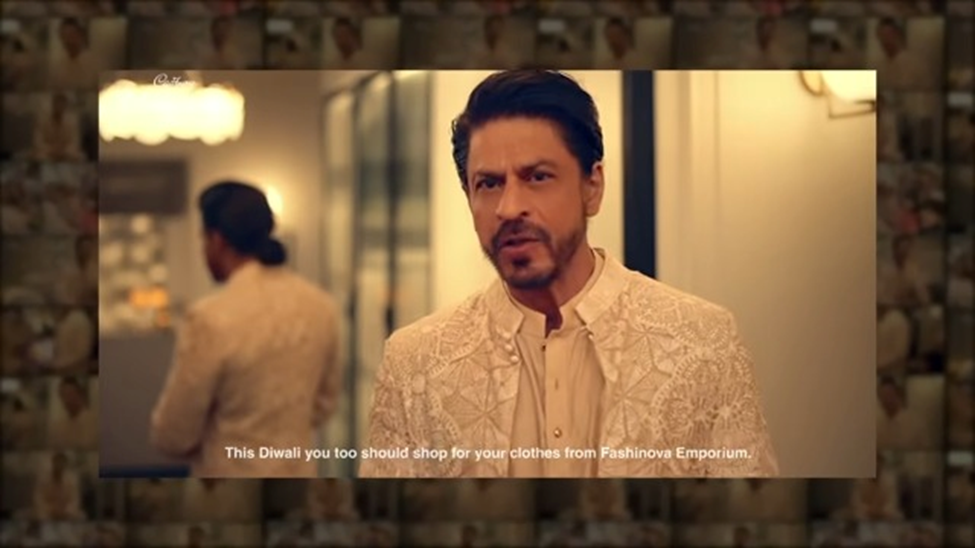
3. Not just a cadbury AI ad with Shah Rukh
Last Diwali season, Ogilvy turned to AI to make an award-winning ad for Cadbury. The campaign allowed small business owners to create commercials with Bollywood actor Shah Rukh Khan. They could use his face and voice and customize their ad script to promote their products.
This campaign was genius. The pandemic had negatively affected businesses. This campaign helped struggling entrepreneurs to slash marketing costs. They were able to use an endorsement by India’s top movie star for free.
Through AI ad generator, business owners created custom commercials using a Shah Rukh video. It appeared as if he was really promoting their stores.
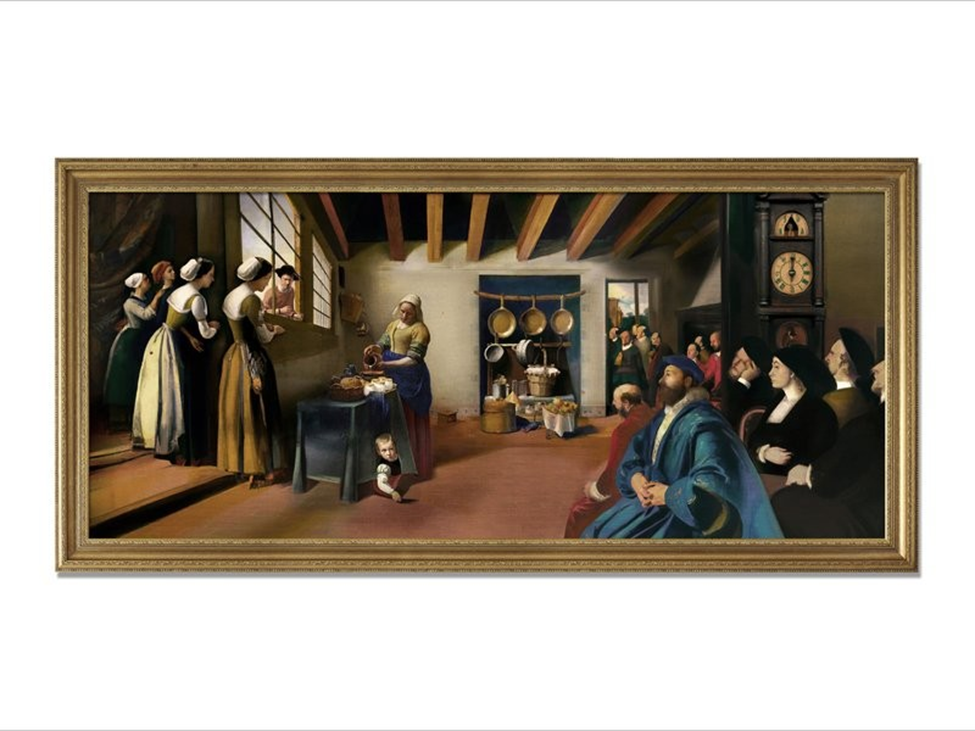
4. Nestlé brand AI art ad
This is another AI commercial by Ogilvy. They created this ad for Nestle to promote their Yogurt brand La Laitiere. The altered image is the famous Milkmaid painting by Vermeer.
Researchers have long suspected the famous painting contained “hidden elements.” The Ogilvy marketing team used DALL-E 2 to add scenes within the borders of the frame.
Overall, it was a highly creative ad. However, critics raised concerns about using AI to distort and commercialize artworks that defined history.
Conclusion
These are the best examples of AI creativity in holiday commercials. In the future, we may see even more crazy, cringe-worthy, or genius ideas!