
.svg)
Wearables get complicated fast. The best AI wearable development companies tend to understand where these products usually break down: battery drain, awkward interfaces, unreliable syncing, or too much happening on too little hardware. Just as important, they know when to cut features back and make the experience easier to live with day to day.
That is what makes this market harder to read than it looks. Some firms are better with health and fitness devices, others with industrial wearables, and a few work closer to spatial products and AI and wearable technology built for real use, not controlled demos. A shortlist only helps if the companies actually match the work.
Treeview is a solid match when a wearable product is only one piece of a larger spatial or enterprise system. The studio’s work spans AR, VR, mixed reality, and spatial computing, with public client names that include Microsoft, Medtronic, Meta, ULTA Beauty, Ford, Lexus, and NEOM. If the brief touches facial recognition glasses, that wider delivery experience matters more than a studio that mostly builds polished demos.
The other advantage is how much of the build it can keep under one roof. Treeview covers design, development, integration, testing, deployment, and support, which helps when the wearable piece has to work cleanly inside a larger product setup.
Exaud is a practical fit for companies building sensor-heavy health and fitness wearables. Its wearables services page talks directly about devices that combine sensors, AI, data processing, and connectivity, which is more specific than the usual “we build wearables” pitch. That makes Exaud a strong option for teams that care about live data, response time, and product usability.
The company also frames wearables as part of a bigger connected-device environment. That helps when the job is not only the device app, but also the data layer and the software around it.
Techahead makes more sense here than a lot of general wearable vendors because the AI angle is spelled out, not implied. On its wearable services page, the company talks about artificial intelligence, machine learning, and sensor fusion in products tied to health tracking and contextual alerts. That gives it a more direct connection to the best AI wearable devices than firms that mention AI without showing where it actually fits.
What helps is the way the offer is framed. Techahead is not describing wearables as simple companion tools, but as products that can respond, adapt, and make decisions based on live inputs. That is a better match for teams building something more intelligent than a notification layer.
MindSea comes from the healthcare product side, and that gives it a very practical wearables profile. Its service page is built around wellness, patient impact, real-time monitoring, and stable device integration, with an emphasis on user engagement and clinical accuracy. That is a strong match for teams building health-first products rather than general-purpose device apps.
What stands out is the operational focus. MindSea talks about data loss, BLE stability, offline behavior, and long-term retention, which are exactly the issues that make or break wearable products once they reach real users.
Tinderhouse makes sense for teams that want wearable work handled without a lot of extra positioning around it. The company’s service page covers Apple Watch, Wear OS, Garmin, Fitbit, and custom hardware, while the wider offer points to battery-aware builds, fitness products, and long mobile development experience.
This is often where the best wearable AI devices developers separate themselves more quietly. Tinderhouse leans into practical things like glanceable UX, sensor integration, and reliable performance, which tends to matter more than big futuristic claims once the product is in real use.
PNN Soft approaches wearables as connected, cross-platform products. Its wearable development page covers apps for smartwatches, smart rings, fitness trackers, and other devices across iOS, Android, and Windows, and its portfolio materials also point to experience with wearable and IoT integrations.
That makes PNN Soft useful when the wearable app is only one part of a larger connected workflow. The company reads less like a niche XR vendor and more like a general product team, with enough wearable app development experience to fit those functions into a broader system.
Mbicycle rounds out the list as a smaller, more flexible option. Its wearable service page positions the company around smartwatches and similar devices for healthcare, sports, travel, retail, and entertainment, with an emphasis on keeping businesses close to users through wearable experiences. That gives it a practical, applied feel rather than a research-heavy one.
The fit here is clearest for teams looking at the best AI wearable development companies in a more lightweight, product-oriented segment. Mbicycle is not trying to sound like a giant platform vendor, and that makes the offer easier to read for teams with focused wearable goals.
The best fit depends on what the wearable actually needs to do. A health monitoring product may need stronger AI logic and edge processing, while a consumer-facing app may live or die on usability, sync quality, and battery behavior. The best wearable AI devices developers are usually the teams that can explain those tradeoffs clearly before development starts and turn them into practical product decisions.
A shortlist works better when the companies are not all the same kind of vendor. Some of the names above are stronger in connected products, some in sensor-heavy systems, and some in broader immersive ecosystems. That mix is what makes the final choice more useful and helps narrow the search without forcing every project into the same model.
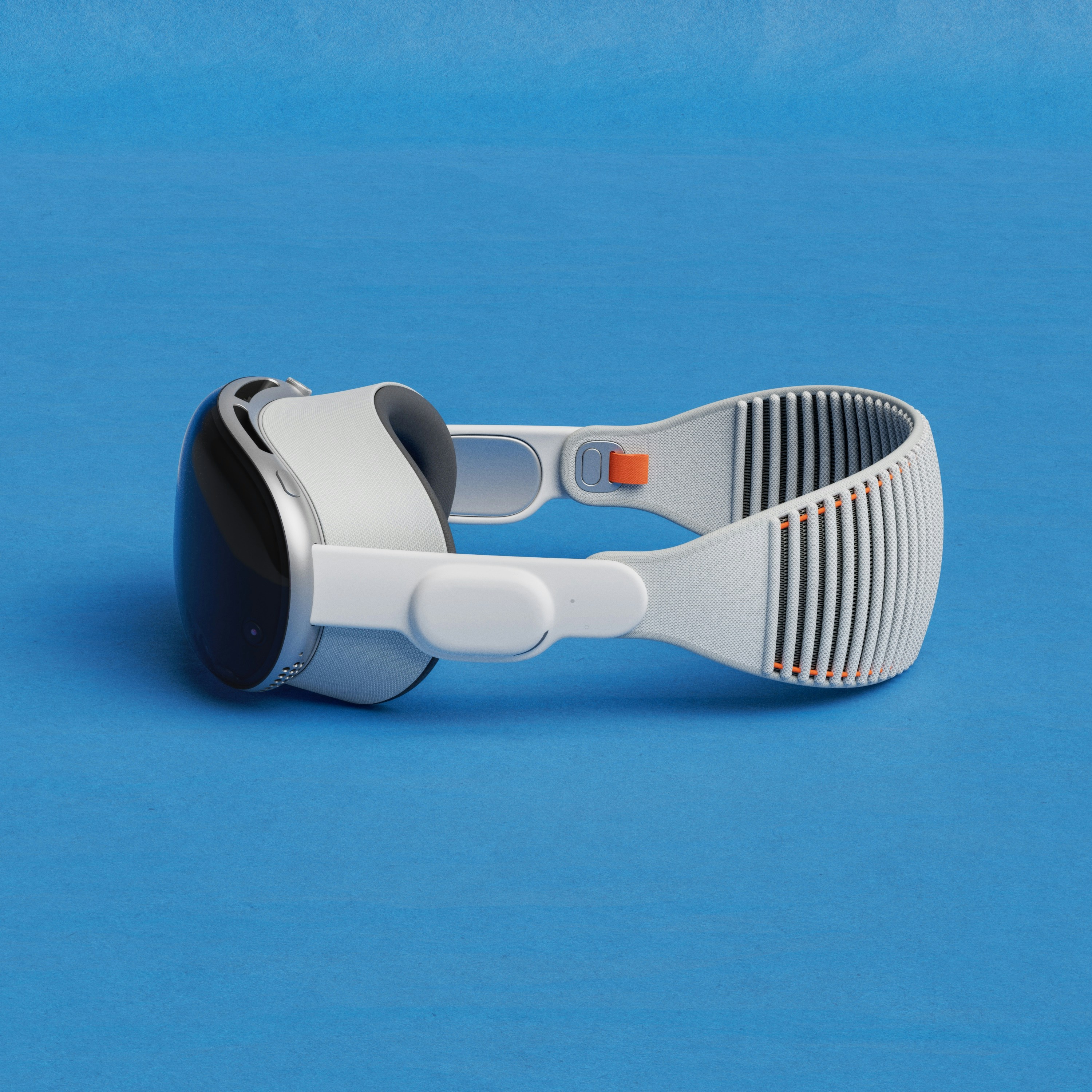
Wearables get complicated fast. The best AI wearable development companies tend to understand where these products usually break down: battery drain, awkward interfaces, unreliable syncing, or too much happening on too little hardware. Just as important, they know when to cut features back and make the experience easier to live with day to day.
That is what makes this market harder to read than it looks. Some firms are better with health and fitness devices, others with industrial wearables, and a few work closer to spatial products and AI and wearable technology built for real use, not controlled demos. A shortlist only helps if the companies actually match the work.
Treeview is a solid match when a wearable product is only one piece of a larger spatial or enterprise system. The studio’s work spans AR, VR, mixed reality, and spatial computing, with public client names that include Microsoft, Medtronic, Meta, ULTA Beauty, Ford, Lexus, and NEOM. If the brief touches facial recognition glasses, that wider delivery experience matters more than a studio that mostly builds polished demos.
The other advantage is how much of the build it can keep under one roof. Treeview covers design, development, integration, testing, deployment, and support, which helps when the wearable piece has to work cleanly inside a larger product setup.
Exaud is a practical fit for companies building sensor-heavy health and fitness wearables. Its wearables services page talks directly about devices that combine sensors, AI, data processing, and connectivity, which is more specific than the usual “we build wearables” pitch. That makes Exaud a strong option for teams that care about live data, response time, and product usability.
The company also frames wearables as part of a bigger connected-device environment. That helps when the job is not only the device app, but also the data layer and the software around it.
Techahead makes more sense here than a lot of general wearable vendors because the AI angle is spelled out, not implied. On its wearable services page, the company talks about artificial intelligence, machine learning, and sensor fusion in products tied to health tracking and contextual alerts. That gives it a more direct connection to the best AI wearable devices than firms that mention AI without showing where it actually fits.
What helps is the way the offer is framed. Techahead is not describing wearables as simple companion tools, but as products that can respond, adapt, and make decisions based on live inputs. That is a better match for teams building something more intelligent than a notification layer.
MindSea comes from the healthcare product side, and that gives it a very practical wearables profile. Its service page is built around wellness, patient impact, real-time monitoring, and stable device integration, with an emphasis on user engagement and clinical accuracy. That is a strong match for teams building health-first products rather than general-purpose device apps.
What stands out is the operational focus. MindSea talks about data loss, BLE stability, offline behavior, and long-term retention, which are exactly the issues that make or break wearable products once they reach real users.
Tinderhouse makes sense for teams that want wearable work handled without a lot of extra positioning around it. The company’s service page covers Apple Watch, Wear OS, Garmin, Fitbit, and custom hardware, while the wider offer points to battery-aware builds, fitness products, and long mobile development experience.
This is often where the best wearable AI devices developers separate themselves more quietly. Tinderhouse leans into practical things like glanceable UX, sensor integration, and reliable performance, which tends to matter more than big futuristic claims once the product is in real use.
PNN Soft approaches wearables as connected, cross-platform products. Its wearable development page covers apps for smartwatches, smart rings, fitness trackers, and other devices across iOS, Android, and Windows, and its portfolio materials also point to experience with wearable and IoT integrations.
That makes PNN Soft useful when the wearable app is only one part of a larger connected workflow. The company reads less like a niche XR vendor and more like a general product team, with enough wearable app development experience to fit those functions into a broader system.
Mbicycle rounds out the list as a smaller, more flexible option. Its wearable service page positions the company around smartwatches and similar devices for healthcare, sports, travel, retail, and entertainment, with an emphasis on keeping businesses close to users through wearable experiences. That gives it a practical, applied feel rather than a research-heavy one.
The fit here is clearest for teams looking at the best AI wearable development companies in a more lightweight, product-oriented segment. Mbicycle is not trying to sound like a giant platform vendor, and that makes the offer easier to read for teams with focused wearable goals.
The best fit depends on what the wearable actually needs to do. A health monitoring product may need stronger AI logic and edge processing, while a consumer-facing app may live or die on usability, sync quality, and battery behavior. The best wearable AI devices developers are usually the teams that can explain those tradeoffs clearly before development starts and turn them into practical product decisions.
A shortlist works better when the companies are not all the same kind of vendor. Some of the names above are stronger in connected products, some in sensor-heavy systems, and some in broader immersive ecosystems. That mix is what makes the final choice more useful and helps narrow the search without forcing every project into the same model.


