

Product Reviews

8 Best Construction Project Controls Software For Cost-Schedule Integration

Big construction projects still hemorrhage cash. McKinsey says 98 percent of megaprojects bust budgets by more than 30 percent. Why? Cost data sits in one silo, the schedule in another, so red flags surface only after the money’s gone.

The fix is integrated project-controls software that ties budgets, forecasts, and critical-path dates together in real time, turning surprise overruns into quick course corrections.

Below, we rank the eight best cost-schedule platforms for 2026 and help you choose the one that fits your projects.

What project controls are and why split systems drain money
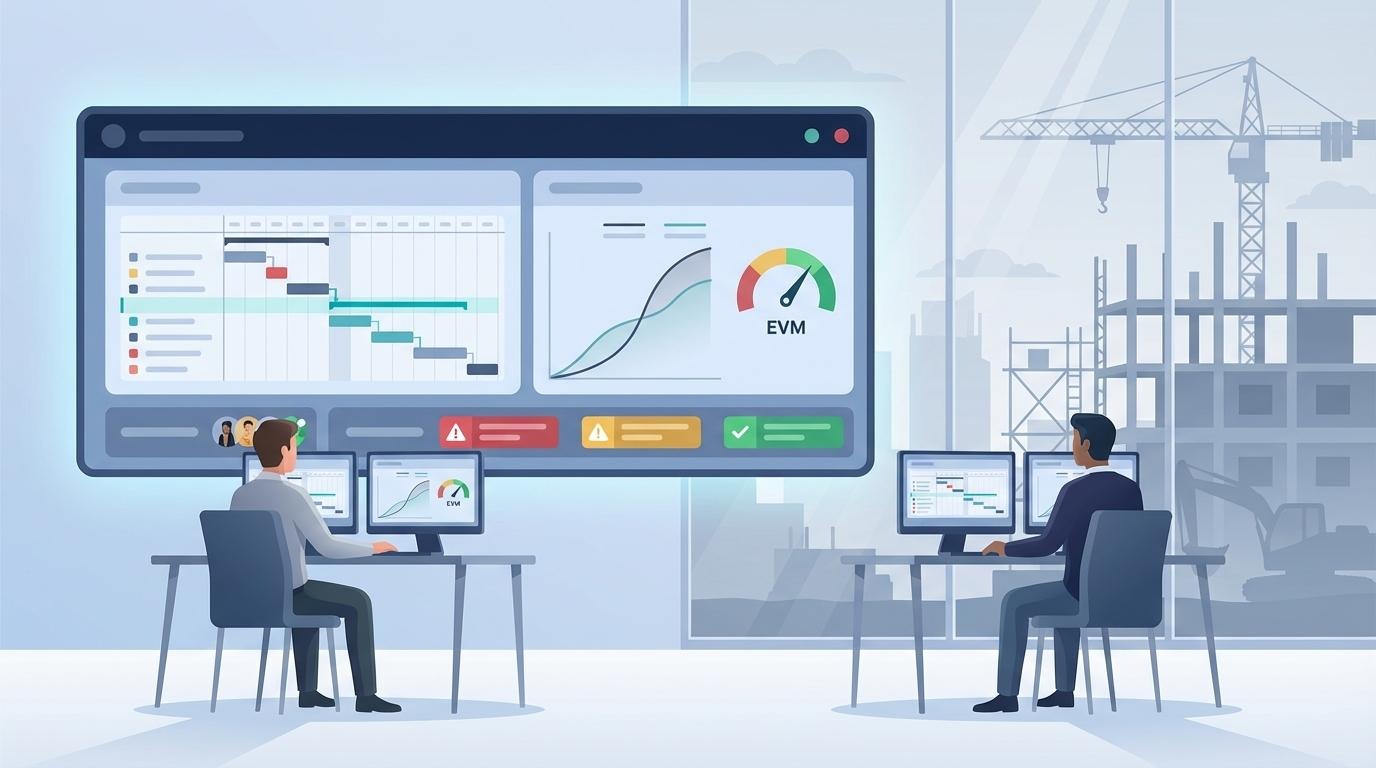
Think of project controls as a combined CFO and air-traffic controller.

We are not talking about daily task lists or Gantt charts. We mean the discipline that tracks every dollar, hour, and risk variable, then alerts the team the moment the plan drifts.

Traditional setups split that vigilance. Schedulers fine-tune activities in Primavera or MS Project, while cost engineers chase budgets in Excel or the ERP. The numbers finally meet in a monthly report, long after bad trends have settled in.
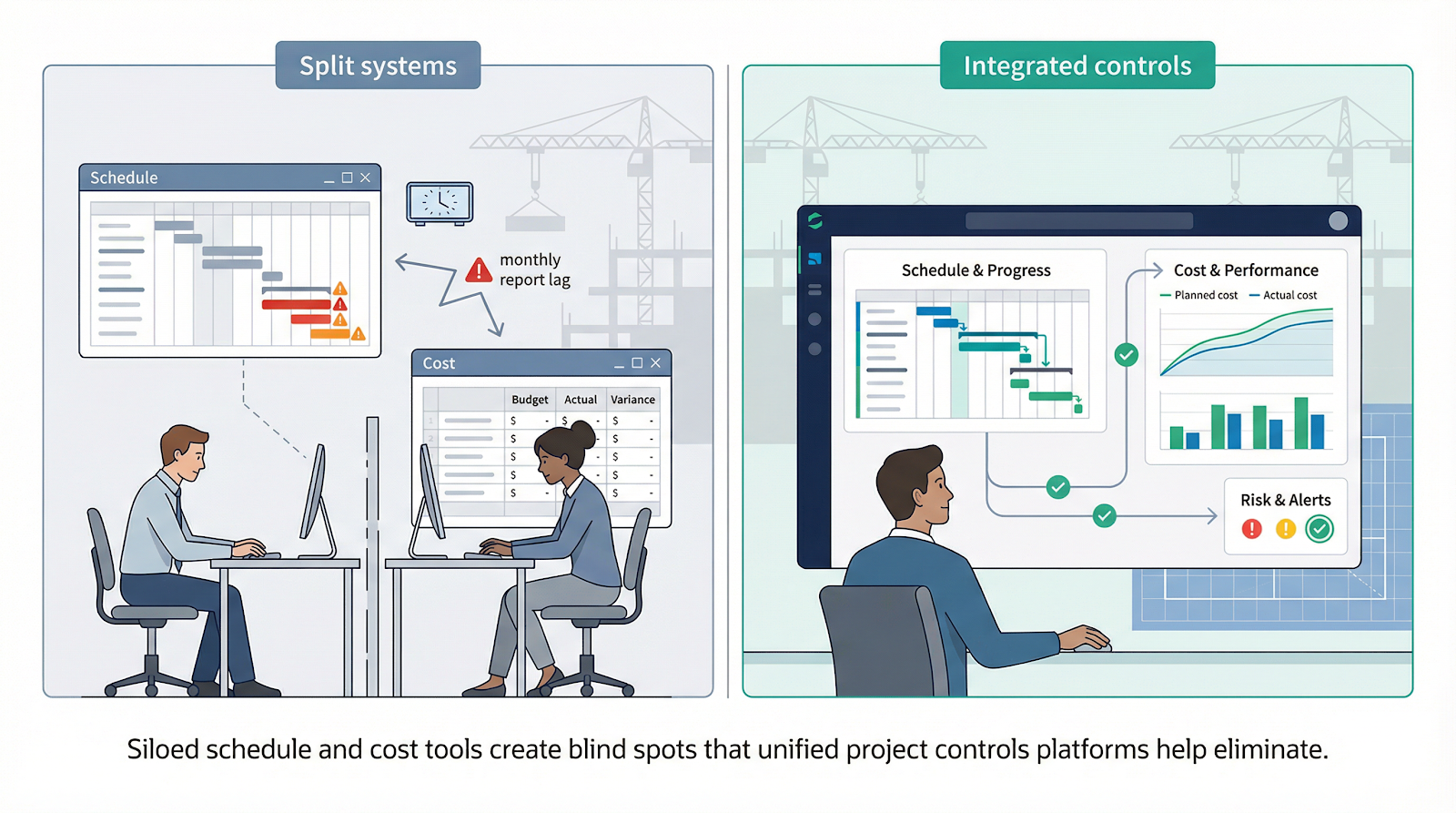
McKinsey calls this delay one of the biggest execution blind spots on capital projects, noting that leaders often receive critical data weeks too late to act decisively, leading to lost millions.

When schedule and cost share one platform, the story changes:

  • A slip on the steel-erection path instantly ripples through the forecast, so you see the cash impact today, not next month.
  • Field crews log installed quantities on their phones, and the earned value chart refreshes before lunch.
  • Executives review a single dashboard instead of reconciling dueling spreadsheets, which means faster approvals, clearer priorities, and fewer firefights.

The payoff is real. Integrated controls cut manual reconciliation, sharpen change order recovery, and give you credible data to defend claims. In short, they turn hindsight into foresight and reclaim profit that once died in the gap between calendars and ledgers.

How we chose the eight that made the cut

You deserve a list built on evidence, not gut feel. We rated every serious contender against six clear yardsticks and let the numbers speak.
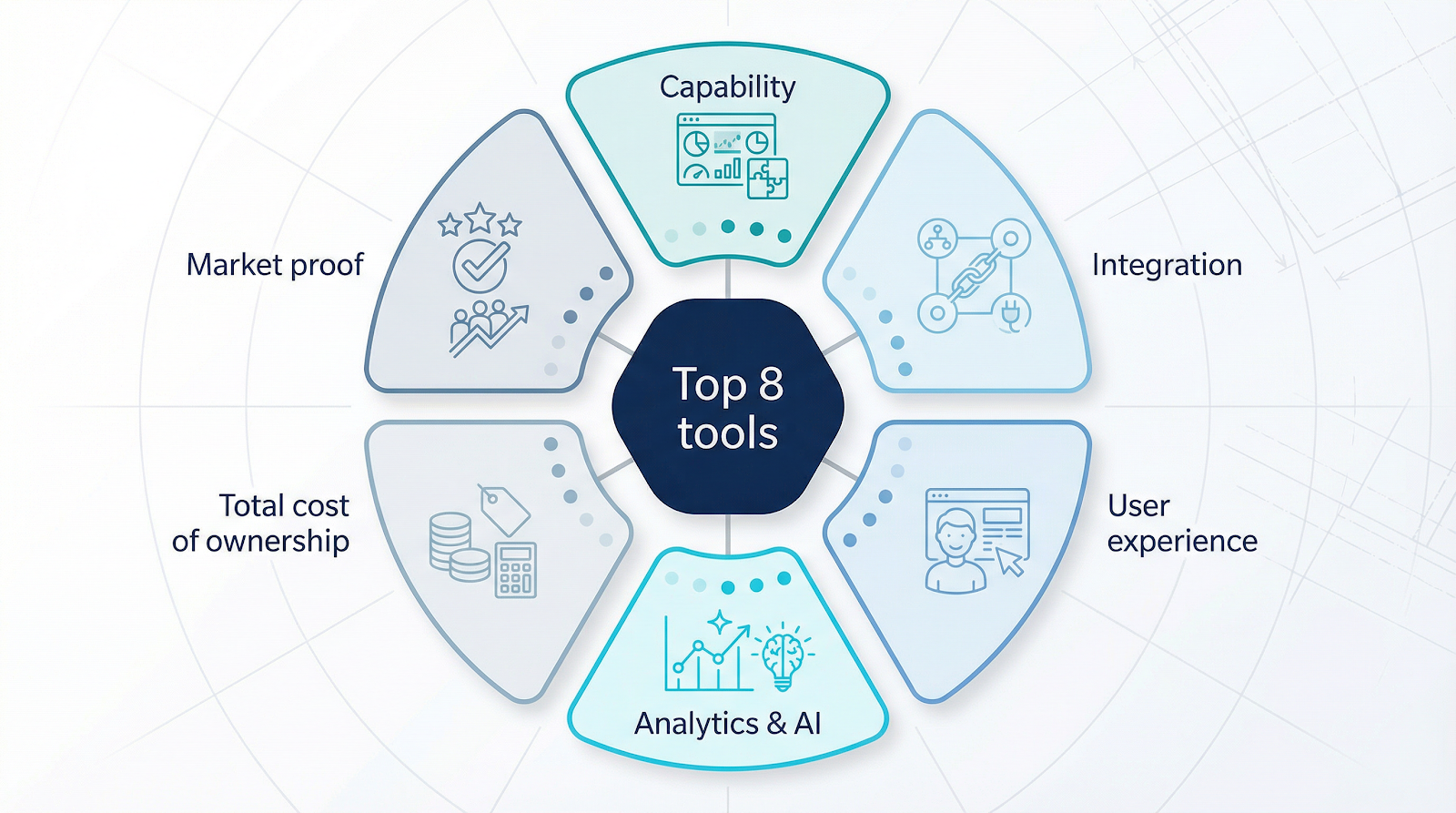
First came raw capability. A platform had to link budgets, forecasts, and schedule logic in one workspace. If it could not, it was out.

Next, we scored integration. Open APIs, simple ERP hookups, and quick schedule imports earned high marks because disconnected data kills insight.

User experience mattered. A powerful engine is worthless if the crew never touches it, so we weighted interface clarity, onboarding effort, and vendor support heavily.

Analytics and AI had their own criterion. Predictive dashboards, Monte Carlo risk, and trend alerts moved a tool up the chart.

Total cost of ownership was critical. Transparent pricing and modular plans beat mystery quotes every time.

Finally, we examined market proof. Proven deployments, strong user ratings, and an active product roadmap signaled a safe long-term bet.

We tallied the results, then ranked the top eight you will meet in the next section.

A quick side-by-side before we dive deep

Choosing software can feel like speed dating. You want the essentials fast before committing to a long conversation.

The list below gives you that first impression. One glance, four columns, and you will know which platform belongs on your short list.

Software: InEight

How it unites cost + schedule: Native link between estimates, CPM schedule, and field data; earned-value updates in real time

Best fit: Large EPCs, infrastructure owners

Pricing snapshot: Published SaaS from about $150 per user monthly

Software: Oracle Primavera Cloud

How it unites cost + schedule: P6-grade scheduling tied to built-in cost and funds tracking

Best fit: Megaprojects that live and die by the critical path

Pricing snapshot: Enterprise quote; expect high-end SaaS rates

Software: Procore

How it unites cost + schedule: Field progress and change orders flow straight into live budgets

Best fit: General contractors, CM firms

Pricing snapshot: Subscription based on annual construction volume

Software: Hexagon EcoSys

How it unites cost + schedule: Deep EVM engine pulls schedule status from P6 for portfolio-level cost control

Best fit: Owners requiring audit-ready EV reports

Pricing snapshot: Enterprise license or hosted; premium tier

Software: Deltek Cobra + Acumen

How it unites cost + schedule: Schedule diagnostics and risk feed Cobra’s ANSI-748 cost metrics

Best fit: Government and defense contractors

Pricing snapshot: Per-seat licenses, typical EV compliance spend

Software: Contruent

How it unites cost + schedule: Estimating, cost, contracts, and schedule phasing in one capital-project hub

Best fit: EPC teams on large programs

Pricing snapshot: Modular enterprise pricing, now adding SaaS

Software: Cleopatra Enterprise

How it unites cost + schedule: Estimate-to-actual lifecycle with benchmarking and earned value

Best fit: Process industry owners, cost consultancies

Pricing snapshot: Custom quote, enterprise grade

Software: Safran Project

How it unites cost + schedule: CPM engine with built-in Monte Carlo that rolls risk into EV curves

Best fit: Shutdowns, offshore, risk-sensitive builds

Pricing snapshot: Per-user license, mid-to-high range

*Pricing ranges are based on public or analyst sources and may vary by region and deal size.

Keep this cheat sheet handy. In the next section we start the full reviews, beginning with the software that topped every category on our scorecard.

1. InEight – best overall integrated suite

InEight brings estimating, CPM scheduling, cost control, and field reporting together in one cloud platform. When a superintendent logs today’s installed quantities, the earned-value curve and the finish date both update before the coffee cools. That live handshake keeps billion-dollar jobs on track, which is why we ranked it first.

Depth without lock-in sets it apart. You can start with just the scheduling module, then add cost or risk as your team matures. The published NOW plan starts at about $150 per user each month, so value arrives long before an enterprise deal.

AI lends extra confidence. After acquiring BASIS, InEight uses historical data to suggest realistic durations. Built-in Monte Carlo simulations show finish-date probability and feed those results into the cash forecast.

InEight project controls suite official webpage screenshot

The interface is serious and training takes commitment, yet the reward is a single source of truth from bid through turnover. If you manage complex capital projects and want real-time cost-schedule insight, begin your evaluation here and benchmark every other tool against it.

2. Oracle Primavera Cloud – best for schedule-driven megaprojects

Primavera has guided planners for decades. Oracle’s cloud edition keeps that trusted CPM engine, then adds cost tracking and portfolio dashboards so schedule and budget share the same workspace.

That unity matters when a one-week slip can add millions in standby costs. In Primavera Cloud, a delayed turbine delivery shifts activity dates, re-phases the cash curve, and flags funding gaps in seconds. No exports, no back-and-forth email.
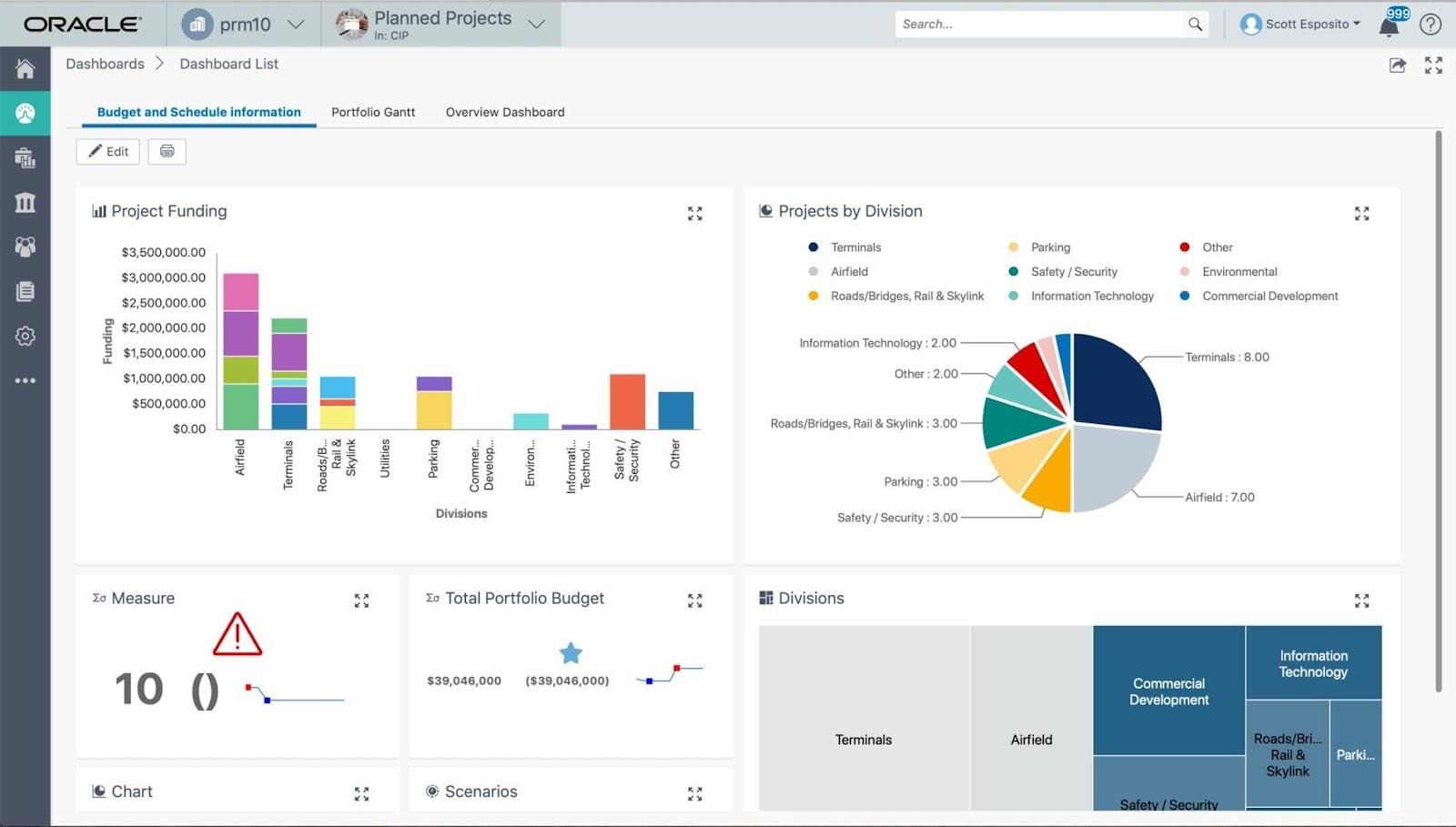
Oracle Primavera Cloud cost and schedule integration dashboard

The platform benefits from Oracle’s wider toolset. Route change events through Unifier, map actuals from Oracle ERP, or pull documents from Aconex—all inside one ecosystem. For projects under government or bondholder scrutiny, that single-vendor chain of custody is invaluable.

Capability comes with weight. Primavera needs disciplined planners and formal training. Licenses sit at the higher end of SaaS, and casual users may stay in read-only dashboards while specialists post updates.

If your success depends on precise critical-path control and strict governance, Primavera Cloud is the right choice. Smaller teams without dedicated schedulers may prefer leaner options, but nothing matches this platform when schedule certainty is non-negotiable.

3. Procore – best for field-to-finance collaboration

Procore started on the jobsite, so it pulls real-time field updates straight into the budget. A foreman checks off a pour in the mobile app, and the cost forecast refreshes before the concrete sets.
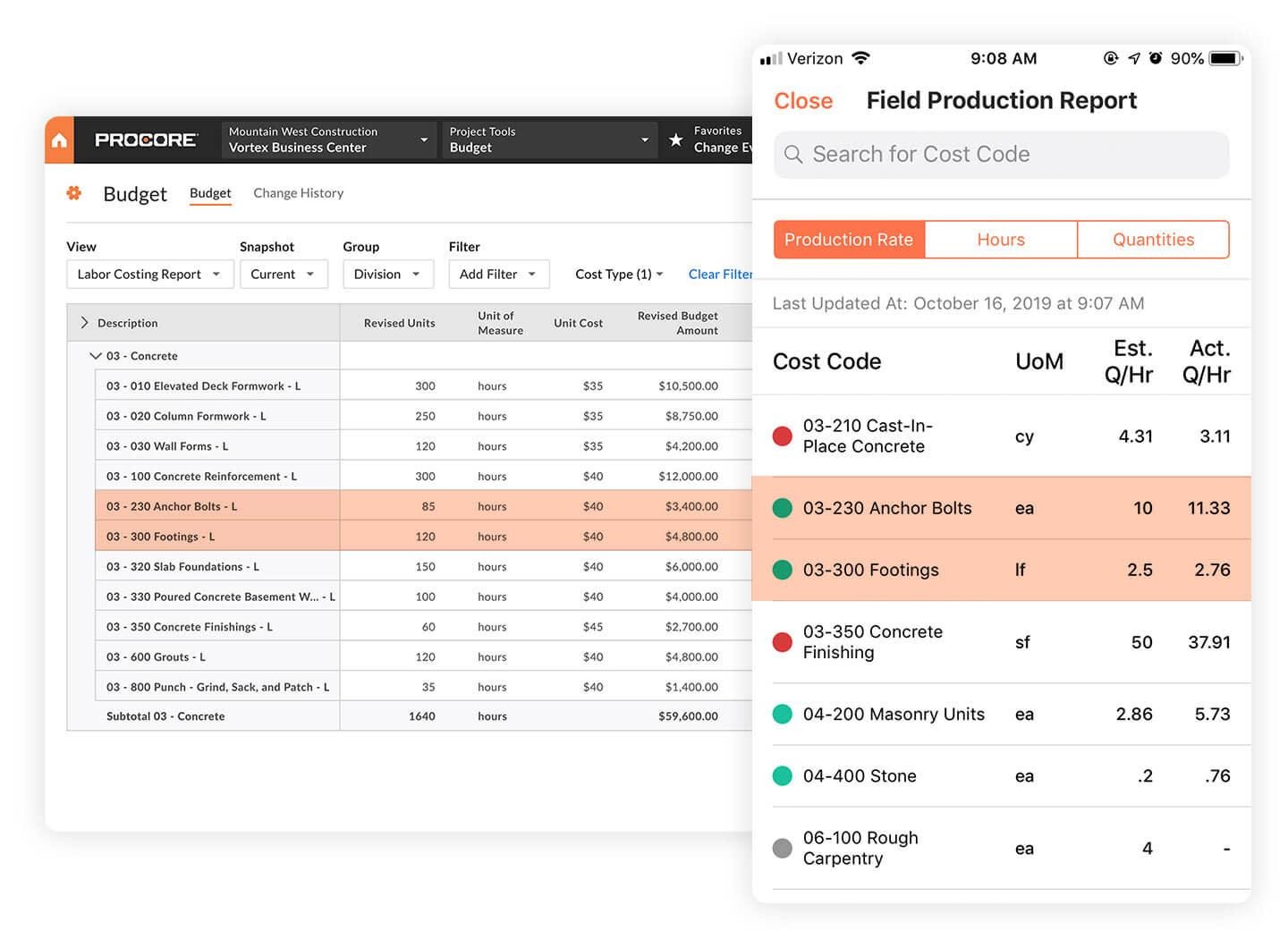
Procore mobile field-to-budget construction management interface

That speed closes the data gap between the trailer and the back office. Change events, RFIs, and photos sit beside budget lines, letting you spot scope creep while there’s time to negotiate.

Unlimited user licensing drives adoption. You can invite every subcontractor, consultant, and owner without watching seat counts, which means richer data and fewer surprises.

Procore is not a CPM specialist; most teams still build the master schedule in Primavera or Microsoft Project. The built-in viewer keeps everyone aligned, and linking delayed tasks to cost codes takes minutes instead of meetings.

Pricing scales with annual construction volume, so high-revenue builders pay more, yet small firms still gain enterprise-grade visibility without a seven-figure bill. If your crew lives on smartphones and your finance team needs numbers that stay current, Procore delivers.

4. Hexagon EcoSys – best for enterprise earned value mastery

EcoSys is an accountant’s scalpel: precise, unforgiving, and balanced for owners who rely on ANSI-748 metrics. Its engine time-phases budgets, ingests actual costs from SAP, and fuses weekly Primavera status to produce CPI, SPI, and variance trends across a full program.

Configurability leads the story. You can map any cost breakdown or approval workflow without code, so the software mirrors your governance playbook instead of forcing new habits. Executives view a roll-up dashboard while project controllers drill into individual change orders on the same screen.

Power brings complexity. EcoSys rollouts need disciplined data and often a consulting partner. Licenses land at the high end, yet owners who recover even one percent of a multi-billion-dollar budget see fast payback.

If regulators, shareholders, or agency clients demand reliable earned value and you have the talent to feed the system, EcoSys sets the benchmark.

5. Deltek Cobra + Acumen – best for government EV compliance

Government work brings paperwork measured in pounds. Deltek’s twin tools lighten that load.

Cobra is the cost engine. It locks the performance baseline, pulls actuals from your accounting system, and produces CPR formats that clear DCMA audits without extra edits.

Acumen is the schedule analyst. Fuse checks logic health, while Risk runs Monte Carlo to set realistic contingency curves. Together they feed clean progress data into Cobra, so cost and schedule remain aligned and earned-value metrics stay accurate.

Both applications run on the desktop, which means a steeper learning curve, but seasoned schedulers and cost engineers value the control they gain. Licenses add up, yet on a billion-dollar defense project, the spend is minor compared with a failed IBR.

If your contracts cite ANSI-748 and your reports land on a colonel’s desk each month, this duo keeps audits short and funding steady.

6. Contruent – best all-in-one hub for capital EPC projects

Contruent (formerly ARES PRISM) channels capital-project chaos into a single, disciplined workflow. Estimates become control budgets, engineering progress feeds schedule percent complete, and contract changes ripple through cost forecasts without leaving the platform.

End-to-end coverage is the standout feature. Design engineers record drawing status, procurement teams update package milestones, field crews enter installed quantities, and project controls see every impact in one dashboard. When an owner asks why the powerhouse is trending over budget, you already have the answer and the corrective action.

The 2024 rebrand brought a cleaner interface and early signs of SaaS pricing. You can still deploy on-prem for maximum security, but cloud modules start faster and reduce IT overhead—welcome news for mid-sized EPCs.

Setup takes planning; mapping multiple breakdown structures requires patience. Yet once configured, Contruent replaces several point tools and cuts spreadsheet time. If you build airports, refineries, or rail lines and want one system to manage estimating, cost, schedule, and contracts, put Contruent on your short list.

7. Cleopatra Enterprise – best estimate-to-actual continuity

Cleopatra closes the gap many platforms leave open: the hand-off from estimating to live cost control. You build a detailed bid inside Cleopatra, then turn that estimate into the baseline budget with one click—no CSV workarounds, no data loss.

During execution, the same database tracks commitments, progress, and forecast to complete. Because each budget line links back to the original estimate, variance explanations write themselves. Owners value that clarity when change orders reach the boardroom.

Process-industry nuances are built in. Need to benchmark a compressor installation rate across five refineries? Cleopatra’s historical cost library surfaces the average in seconds and flags outliers before they become overruns.

Recent web modules lighten the desktop requirement and let distributed teams collaborate without VPN hurdles. Pricing sits at the higher end, but for oil, gas, and chemical players chasing a one-percent accuracy gain on multi-billion-dollar capital programs, Cleopatra’s closed-loop promise pays back quickly.

8. Safran Project – best for schedule-risk-cost alignment

When every hour of downtime burns cash, probability beats optimism. Safran weaves Monte Carlo analysis into its CPM core, so you see confidence bands on finish dates and cost exposure in one view, not two separate studies.

Planners load the baseline, add uncertainty ranges, and run simulations in minutes. The tool writes risk-adjusted dates and contingency budgets back into the live schedule, so the baseline you publish already reflects its odds.
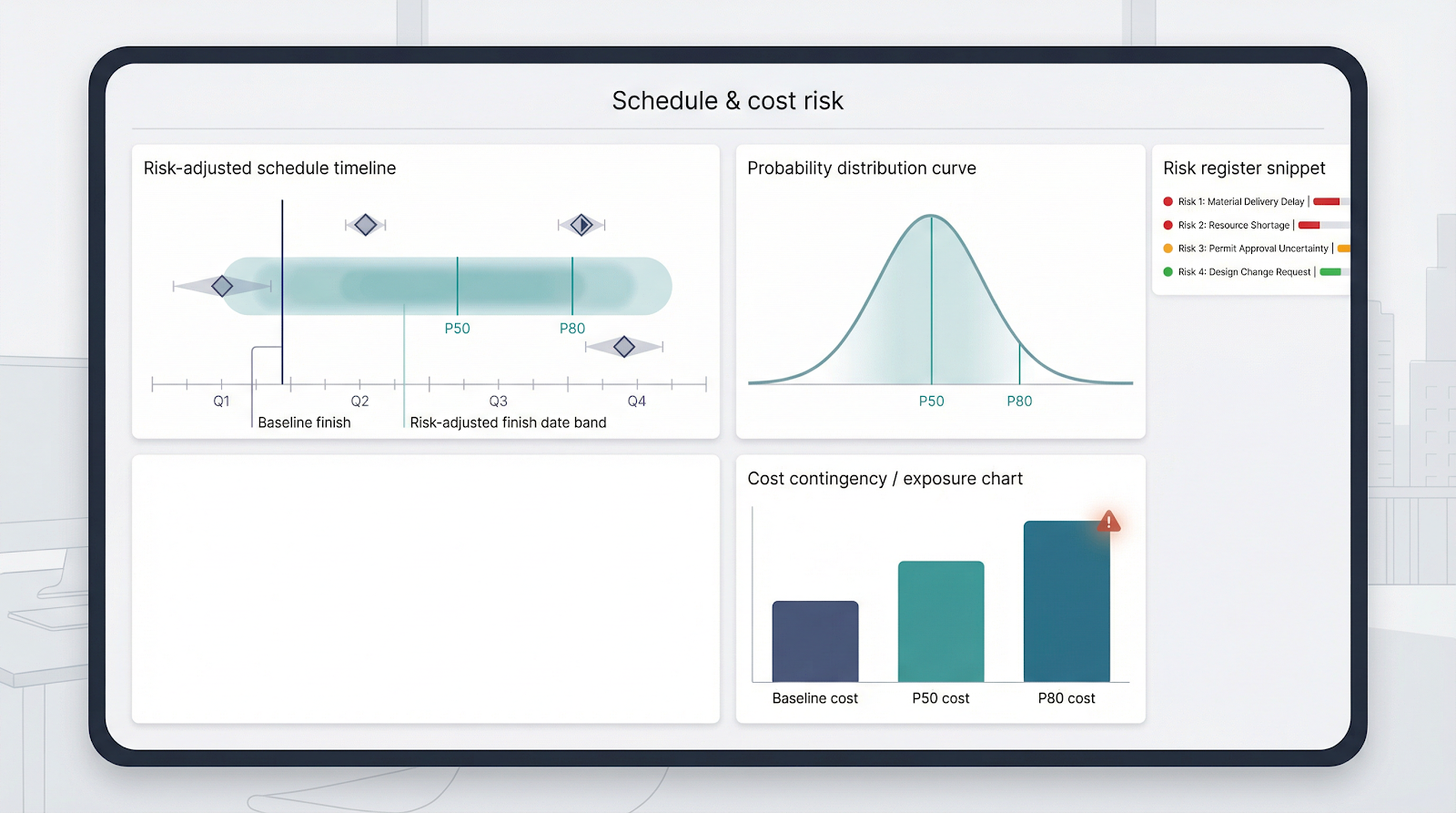
Safran manages cost-loaded activities and earned-value charts well enough for medium-complexity work, but it excels on shutdowns, offshore installs, and infrastructure cuts where delay penalties dwarf software fees.

Market share is smaller than Primavera’s, so you may need to train in-house talent. Licenses price in the middle of the pack; when a single lost day costs six figures, that spend is small.

If surprise delays have burned you before and you need forecasts you can trust, Safran belongs on your shortlist.

8 Best Construction Project Controls Software For Cost-Schedule Integration
Subscribe to our newsletter to get expert insights
Thank you! Your submission has been received!
Oops! Something went wrong while submitting the form.

Product Reviews

8 Best Construction Project Controls Software For Cost-Schedule Integration

8 Best Construction Project Controls Software For Cost-Schedule Integration

Big construction projects still hemorrhage cash. McKinsey says 98 percent of megaprojects bust budgets by more than 30 percent. Why? Cost data sits in one silo, the schedule in another, so red flags surface only after the money’s gone.

The fix is integrated project-controls software that ties budgets, forecasts, and critical-path dates together in real time, turning surprise overruns into quick course corrections.

Below, we rank the eight best cost-schedule platforms for 2026 and help you choose the one that fits your projects.

What project controls are and why split systems drain money

Think of project controls as a combined CFO and air-traffic controller.

We are not talking about daily task lists or Gantt charts. We mean the discipline that tracks every dollar, hour, and risk variable, then alerts the team the moment the plan drifts.

Traditional setups split that vigilance. Schedulers fine-tune activities in Primavera or MS Project, while cost engineers chase budgets in Excel or the ERP. The numbers finally meet in a monthly report, long after bad trends have settled in.

McKinsey calls this delay one of the biggest execution blind spots on capital projects, noting that leaders often receive critical data weeks too late to act decisively, leading to lost millions.

When schedule and cost share one platform, the story changes:

  • A slip on the steel-erection path instantly ripples through the forecast, so you see the cash impact today, not next month.
  • Field crews log installed quantities on their phones, and the earned value chart refreshes before lunch.
  • Executives review a single dashboard instead of reconciling dueling spreadsheets, which means faster approvals, clearer priorities, and fewer firefights.

The payoff is real. Integrated controls cut manual reconciliation, sharpen change order recovery, and give you credible data to defend claims. In short, they turn hindsight into foresight and reclaim profit that once died in the gap between calendars and ledgers.

How we chose the eight that made the cut

You deserve a list built on evidence, not gut feel. We rated every serious contender against six clear yardsticks and let the numbers speak.

First came raw capability. A platform had to link budgets, forecasts, and schedule logic in one workspace. If it could not, it was out.

Next, we scored integration. Open APIs, simple ERP hookups, and quick schedule imports earned high marks because disconnected data kills insight.

User experience mattered. A powerful engine is worthless if the crew never touches it, so we weighted interface clarity, onboarding effort, and vendor support heavily.

Analytics and AI had their own criterion. Predictive dashboards, Monte Carlo risk, and trend alerts moved a tool up the chart.

Total cost of ownership was critical. Transparent pricing and modular plans beat mystery quotes every time.

Finally, we examined market proof. Proven deployments, strong user ratings, and an active product roadmap signaled a safe long-term bet.

We tallied the results, then ranked the top eight you will meet in the next section.

A quick side-by-side before we dive deep

Choosing software can feel like speed dating. You want the essentials fast before committing to a long conversation.

The list below gives you that first impression. One glance, four columns, and you will know which platform belongs on your short list.

Software: InEight

How it unites cost + schedule: Native link between estimates, CPM schedule, and field data; earned-value updates in real time

Best fit: Large EPCs, infrastructure owners

Pricing snapshot: Published SaaS from about $150 per user monthly

Software: Oracle Primavera Cloud

How it unites cost + schedule: P6-grade scheduling tied to built-in cost and funds tracking

Best fit: Megaprojects that live and die by the critical path

Pricing snapshot: Enterprise quote; expect high-end SaaS rates

Software: Procore

How it unites cost + schedule: Field progress and change orders flow straight into live budgets

Best fit: General contractors, CM firms

Pricing snapshot: Subscription based on annual construction volume

Software: Hexagon EcoSys

How it unites cost + schedule: Deep EVM engine pulls schedule status from P6 for portfolio-level cost control

Best fit: Owners requiring audit-ready EV reports

Pricing snapshot: Enterprise license or hosted; premium tier

Software: Deltek Cobra + Acumen

How it unites cost + schedule: Schedule diagnostics and risk feed Cobra’s ANSI-748 cost metrics

Best fit: Government and defense contractors

Pricing snapshot: Per-seat licenses, typical EV compliance spend

Software: Contruent

How it unites cost + schedule: Estimating, cost, contracts, and schedule phasing in one capital-project hub

Best fit: EPC teams on large programs

Pricing snapshot: Modular enterprise pricing, now adding SaaS

Software: Cleopatra Enterprise

How it unites cost + schedule: Estimate-to-actual lifecycle with benchmarking and earned value

Best fit: Process industry owners, cost consultancies

Pricing snapshot: Custom quote, enterprise grade

Software: Safran Project

How it unites cost + schedule: CPM engine with built-in Monte Carlo that rolls risk into EV curves

Best fit: Shutdowns, offshore, risk-sensitive builds

Pricing snapshot: Per-user license, mid-to-high range

*Pricing ranges are based on public or analyst sources and may vary by region and deal size.

Keep this cheat sheet handy. In the next section we start the full reviews, beginning with the software that topped every category on our scorecard.

1. InEight – best overall integrated suite

InEight brings estimating, CPM scheduling, cost control, and field reporting together in one cloud platform. When a superintendent logs today’s installed quantities, the earned-value curve and the finish date both update before the coffee cools. That live handshake keeps billion-dollar jobs on track, which is why we ranked it first.

Depth without lock-in sets it apart. You can start with just the scheduling module, then add cost or risk as your team matures. The published NOW plan starts at about $150 per user each month, so value arrives long before an enterprise deal.

AI lends extra confidence. After acquiring BASIS, InEight uses historical data to suggest realistic durations. Built-in Monte Carlo simulations show finish-date probability and feed those results into the cash forecast.

InEight project controls suite official webpage screenshot

The interface is serious and training takes commitment, yet the reward is a single source of truth from bid through turnover. If you manage complex capital projects and want real-time cost-schedule insight, begin your evaluation here and benchmark every other tool against it.

2. Oracle Primavera Cloud – best for schedule-driven megaprojects

Primavera has guided planners for decades. Oracle’s cloud edition keeps that trusted CPM engine, then adds cost tracking and portfolio dashboards so schedule and budget share the same workspace.

That unity matters when a one-week slip can add millions in standby costs. In Primavera Cloud, a delayed turbine delivery shifts activity dates, re-phases the cash curve, and flags funding gaps in seconds. No exports, no back-and-forth email.

Oracle Primavera Cloud cost and schedule integration dashboard

The platform benefits from Oracle’s wider toolset. Route change events through Unifier, map actuals from Oracle ERP, or pull documents from Aconex—all inside one ecosystem. For projects under government or bondholder scrutiny, that single-vendor chain of custody is invaluable.

Capability comes with weight. Primavera needs disciplined planners and formal training. Licenses sit at the higher end of SaaS, and casual users may stay in read-only dashboards while specialists post updates.

If your success depends on precise critical-path control and strict governance, Primavera Cloud is the right choice. Smaller teams without dedicated schedulers may prefer leaner options, but nothing matches this platform when schedule certainty is non-negotiable.

3. Procore – best for field-to-finance collaboration

Procore started on the jobsite, so it pulls real-time field updates straight into the budget. A foreman checks off a pour in the mobile app, and the cost forecast refreshes before the concrete sets.

Procore mobile field-to-budget construction management interface

That speed closes the data gap between the trailer and the back office. Change events, RFIs, and photos sit beside budget lines, letting you spot scope creep while there’s time to negotiate.

Unlimited user licensing drives adoption. You can invite every subcontractor, consultant, and owner without watching seat counts, which means richer data and fewer surprises.

Procore is not a CPM specialist; most teams still build the master schedule in Primavera or Microsoft Project. The built-in viewer keeps everyone aligned, and linking delayed tasks to cost codes takes minutes instead of meetings.

Pricing scales with annual construction volume, so high-revenue builders pay more, yet small firms still gain enterprise-grade visibility without a seven-figure bill. If your crew lives on smartphones and your finance team needs numbers that stay current, Procore delivers.

4. Hexagon EcoSys – best for enterprise earned value mastery

EcoSys is an accountant’s scalpel: precise, unforgiving, and balanced for owners who rely on ANSI-748 metrics. Its engine time-phases budgets, ingests actual costs from SAP, and fuses weekly Primavera status to produce CPI, SPI, and variance trends across a full program.

Configurability leads the story. You can map any cost breakdown or approval workflow without code, so the software mirrors your governance playbook instead of forcing new habits. Executives view a roll-up dashboard while project controllers drill into individual change orders on the same screen.

Power brings complexity. EcoSys rollouts need disciplined data and often a consulting partner. Licenses land at the high end, yet owners who recover even one percent of a multi-billion-dollar budget see fast payback.

If regulators, shareholders, or agency clients demand reliable earned value and you have the talent to feed the system, EcoSys sets the benchmark.

5. Deltek Cobra + Acumen – best for government EV compliance

Government work brings paperwork measured in pounds. Deltek’s twin tools lighten that load.

Cobra is the cost engine. It locks the performance baseline, pulls actuals from your accounting system, and produces CPR formats that clear DCMA audits without extra edits.

Acumen is the schedule analyst. Fuse checks logic health, while Risk runs Monte Carlo to set realistic contingency curves. Together they feed clean progress data into Cobra, so cost and schedule remain aligned and earned-value metrics stay accurate.

Both applications run on the desktop, which means a steeper learning curve, but seasoned schedulers and cost engineers value the control they gain. Licenses add up, yet on a billion-dollar defense project, the spend is minor compared with a failed IBR.

If your contracts cite ANSI-748 and your reports land on a colonel’s desk each month, this duo keeps audits short and funding steady.

6. Contruent – best all-in-one hub for capital EPC projects

Contruent (formerly ARES PRISM) channels capital-project chaos into a single, disciplined workflow. Estimates become control budgets, engineering progress feeds schedule percent complete, and contract changes ripple through cost forecasts without leaving the platform.

End-to-end coverage is the standout feature. Design engineers record drawing status, procurement teams update package milestones, field crews enter installed quantities, and project controls see every impact in one dashboard. When an owner asks why the powerhouse is trending over budget, you already have the answer and the corrective action.

The 2024 rebrand brought a cleaner interface and early signs of SaaS pricing. You can still deploy on-prem for maximum security, but cloud modules start faster and reduce IT overhead—welcome news for mid-sized EPCs.

Setup takes planning; mapping multiple breakdown structures requires patience. Yet once configured, Contruent replaces several point tools and cuts spreadsheet time. If you build airports, refineries, or rail lines and want one system to manage estimating, cost, schedule, and contracts, put Contruent on your short list.

7. Cleopatra Enterprise – best estimate-to-actual continuity

Cleopatra closes the gap many platforms leave open: the hand-off from estimating to live cost control. You build a detailed bid inside Cleopatra, then turn that estimate into the baseline budget with one click—no CSV workarounds, no data loss.

During execution, the same database tracks commitments, progress, and forecast to complete. Because each budget line links back to the original estimate, variance explanations write themselves. Owners value that clarity when change orders reach the boardroom.

Process-industry nuances are built in. Need to benchmark a compressor installation rate across five refineries? Cleopatra’s historical cost library surfaces the average in seconds and flags outliers before they become overruns.

Recent web modules lighten the desktop requirement and let distributed teams collaborate without VPN hurdles. Pricing sits at the higher end, but for oil, gas, and chemical players chasing a one-percent accuracy gain on multi-billion-dollar capital programs, Cleopatra’s closed-loop promise pays back quickly.

8. Safran Project – best for schedule-risk-cost alignment

When every hour of downtime burns cash, probability beats optimism. Safran weaves Monte Carlo analysis into its CPM core, so you see confidence bands on finish dates and cost exposure in one view, not two separate studies.

Planners load the baseline, add uncertainty ranges, and run simulations in minutes. The tool writes risk-adjusted dates and contingency budgets back into the live schedule, so the baseline you publish already reflects its odds.

Safran manages cost-loaded activities and earned-value charts well enough for medium-complexity work, but it excels on shutdowns, offshore installs, and infrastructure cuts where delay penalties dwarf software fees.

Market share is smaller than Primavera’s, so you may need to train in-house talent. Licenses price in the middle of the pack; when a single lost day costs six figures, that spend is small.

If surprise delays have burned you before and you need forecasts you can trust, Safran belongs on your shortlist.

Subscribe to our newsletter to get expert insights
Thank you! Your submission has been received!
Oops! Something went wrong while submitting the form.

Read more about Product Reviews

Would you like to share your expertise with our audience?
write
Write for us
write
Write for us